
Unsung Patriot: A Confederate Quartermaster Officer
By Fred Adolphus · Originally published July-August 2024 · pp. 62–70
Unsung Patriot: A Confederate Quartermaster Officer in Houston
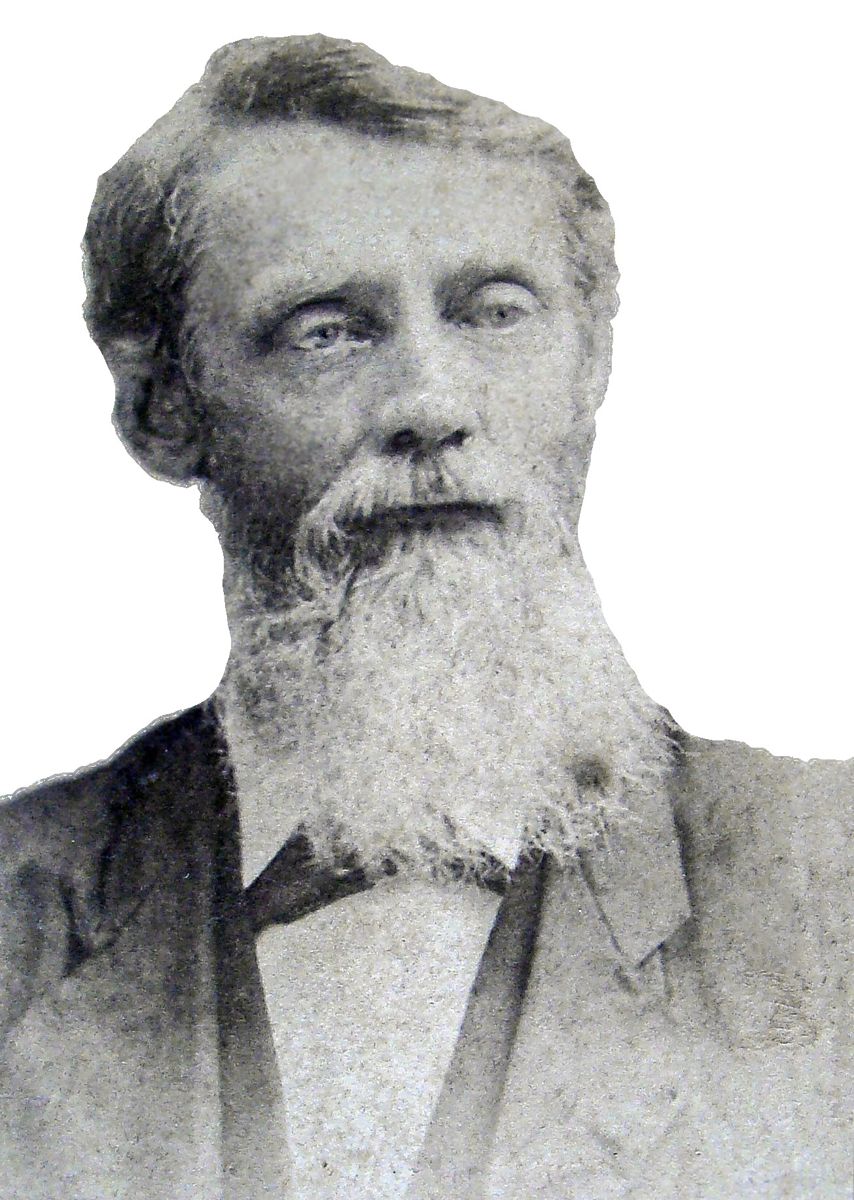
Sustainment, the ongoing supply of the Confederate army, is often overlooked by historians. Yet this was an acute factor facing Confederate Quartermasters. Nevertheless, they built industries and logistical systems from scratch, despite meager resources, and by the end of the war they were manufacturing and procuring the war materiel that sustained their military. They accomplished this within four years, in the crucible of war, with enemy armies ravaging their countryside, and they made the Southland largely self-sufficient. These were the unsung heroes of the Confederacy. One such officer, laboring tirelessly in Houston, Texas, was Captain Edward Clifton Wharton. Wharton was born November 18, 1827. He had mercantile and journalist experience in New Orleans during the 1850s and, before the war, he rose to become editor of the Texas Galveston News. When the war began, General Hebert appointed him Post Quartermaster of Houston in October 1861, and he served as a quartermaster throughout the war. After the war, Wharton moved back to New Orleans and pursued a career as a journalist, author, playwright, and dramatic critic. He died June 13, 1891, having been successful in his personal and military careers.
Wharton assumed multiple responsibilities in Houston due to short staffing. He simultaneously served as Quartermaster (post and manufacturing), Commissary, and Paymaster. At first, he was only responsible for Houston, later for the Eastern Sub-District of Texas, and finally for the entire state. All four functions were normally administered by separate officers and staff, but Wharton ran all the departments with a skeleton staff until the end of 1862. He was so overworked that, in two years, he had only been absent on Christmas days, and for a few days of illness. Relieved of the Commissary and Paymaster duties on January 1, 1863, he focused on his Clothing Bureau duties. He retained two roles: the post quartermaster function for issuing clothing and equipage and the Clothing and Equipage Bureau function of manufacturing and procuring articles for the army. In July 1863, General John B. Magruder, commanding the District of Texas, placed Wharton in overall charge of the district Clothing and Equipage Bureau. Throughout his tenure to that point, however, the Confederate government had not confirmed Wharton’s provisional commission: a precarious situation. Wharton’s most remarkable achievements came at the Houston Clothing and Equipage Bureau. Wharton built an entire manufacturing complex from scratch, managed its efficiency, and fostered innovations. He accomplished all this despite scarcity, a weak currency, unreliable imports, and a poor infrastructure. In late 1863, he even re-located his shoe factory from Houston to Millican, in the face of imminent enemy invasion.
“It is a consolation to me to know that … while putting comfortable clothing upon our gallant fellows … has cheered the soldiers’ heart with the reflection that the making of the garments thus furnished him, keeps from the charity of Speculation & Extortioners those he holds dear at home.”
Captain Edward Clifton Wharton, Chief of the Houston Clothing Bureau, in 1878.
Title page caption. Wharton envisioned a systematic approach to managing Confederate industry. He wanted to commission managers and skilled craftsman as cavalry officers. In this way, the factory managers would have pay and authority commiserate to their responsibilities, and as cavalry officers, they would be entitled to maintain a horse for their use. (Courtesy of the Confederate Uniform Regulations, 1862, Kirk D. Lyons collection.)
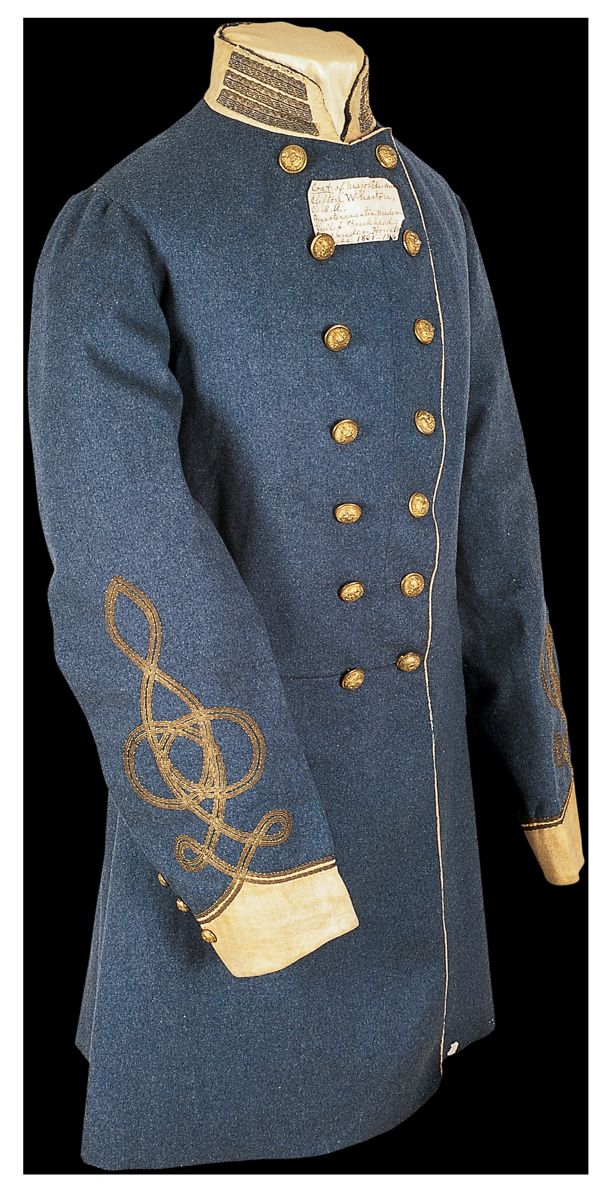
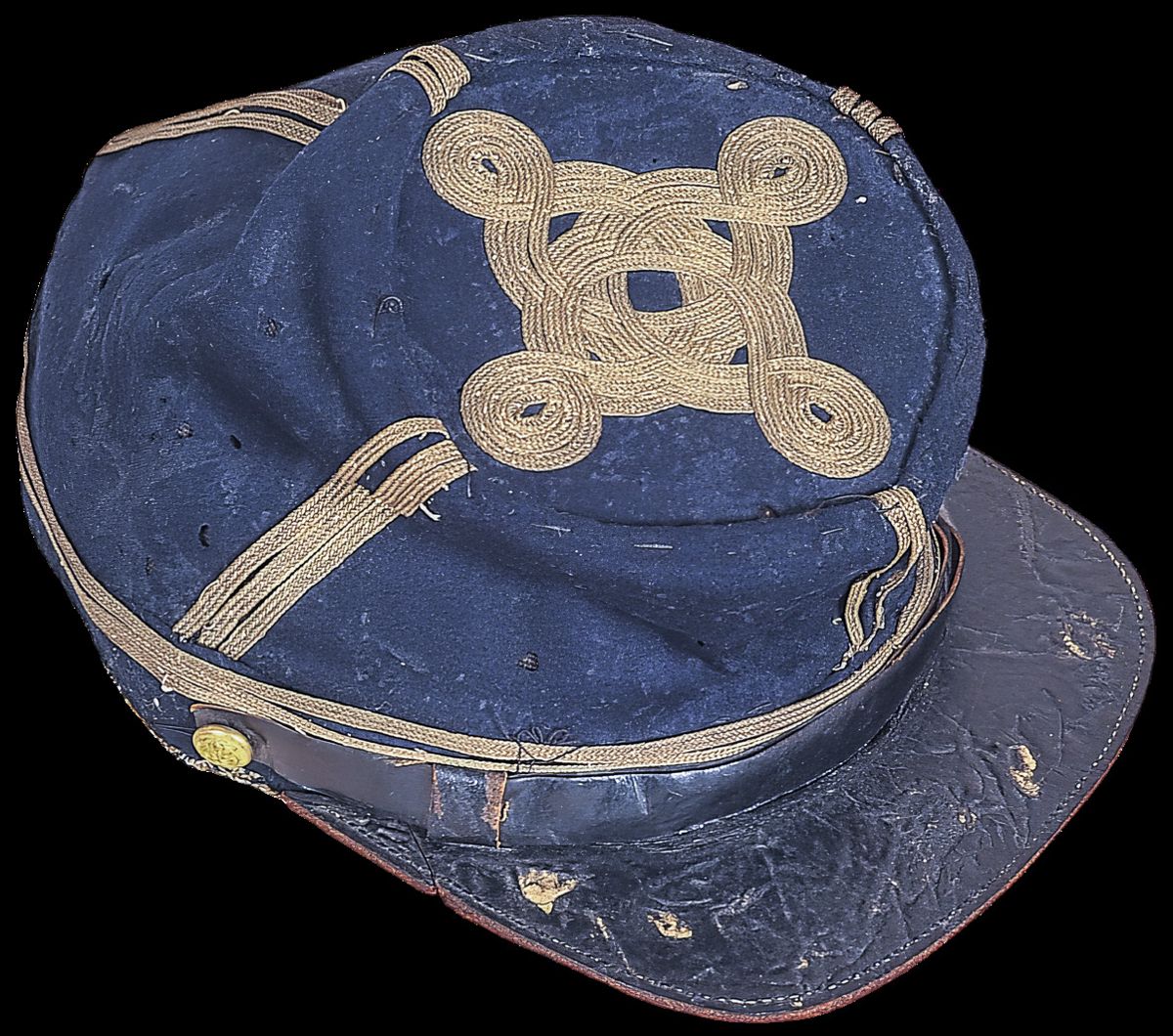
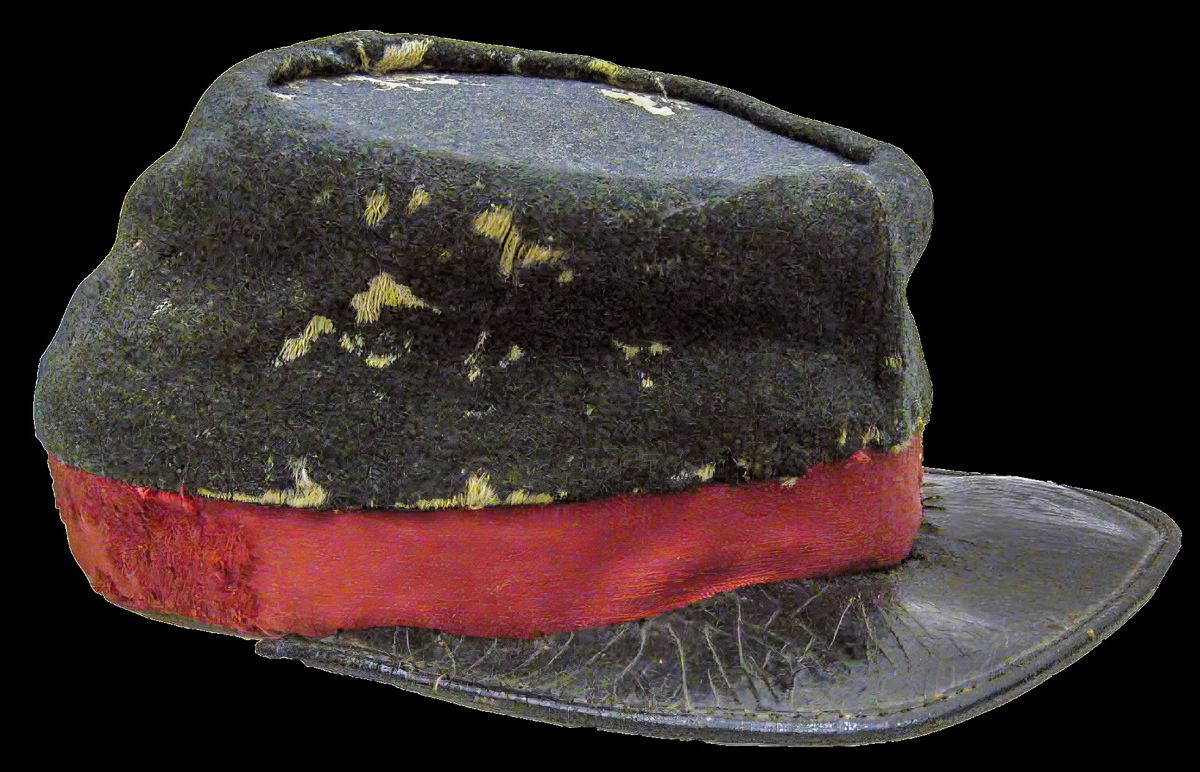
Uniform frock coat and cap of E.C. Wharton. (Texas Civil War Museum, Fort Worth)
Wharton’s operation supplied Southern troops with clothing and equipage chiefly in the Eastern Sub-District, but also throughout the Trans-Mississippi, to a lesser extent. This included regular Confederate troops, Texas State Troops, the Gunboat Service, the Labor Bureau, and Confederate officers. Wharton typically supplied Confederate enlisted men and officers with uniforms made from imported, blue-gray cloth, while the Texas State Troops and Labor Bureau Negroes received whitecolored uniforms made from Huntsville Penitentiary fabrics. As Wharton expanded his operation, he sought the most effective means for acquiring materiel. He determined that procuring supplies from abroad, paid for with cotton, was the most efficient way to supply the troops. He pursued imports with much success, but it is for his home manufactures that he deserves the highest accolades. Wharton stated, “The tedious and uncertain process of Manufacturing has, from the first, engaged my attention, and interested me deeply. I felt satisfied of the precarious tenure of the Rio Grande trade”; and that it was the duty of the “…Officers charged with equipping the Troops, to encourage… Home Manufactures; and to show the world that we could be self‑supporting, despite the suddenness of the call on us for such labors, and their novelty to a people of agriculturists, not mechanics & machinists.” In this, Wharton succeeded, establishing numerous workshops, manning them with skilled tradesmen and mechanics, and obtaining the necessary tools and machinery. He started in early 1862 with a tent factory, harness and saddle shops, and blacksmith, wheelwright, and carpenter shops. In December 1862, he added both shoe and tailor shops. The tailor shop provided employment for some five hundred women (the mothers,
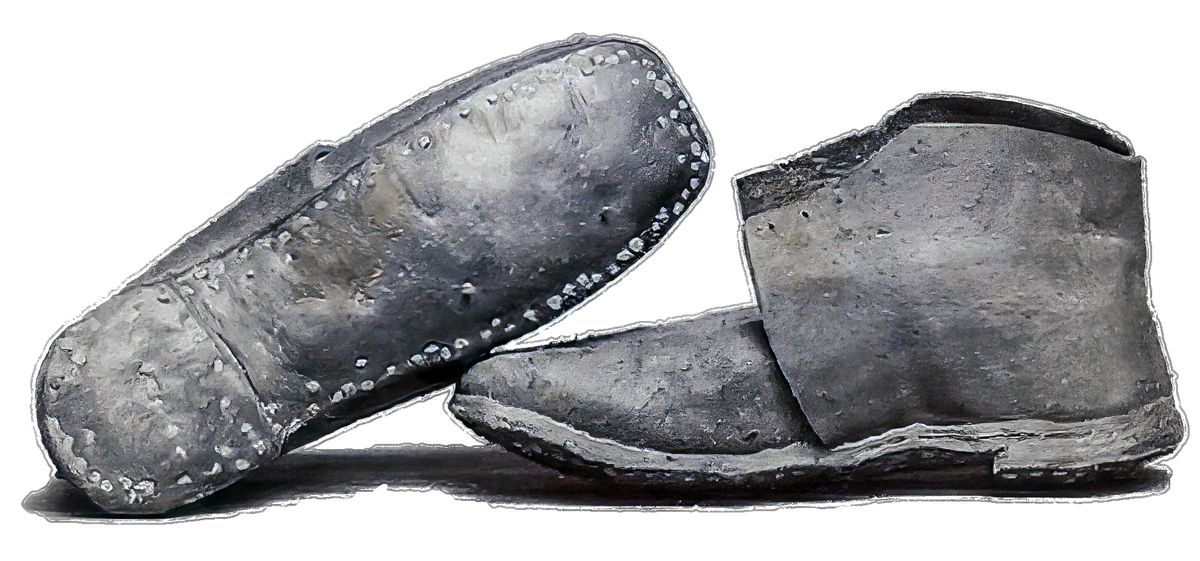
Wharton felt that shoes were the most critical item of clothing needed by the troops. He produced a soldier brogan with wooden-pegged soles, similar to those pictured here, that were made in South Carolina. The image was made by C. Seaver Jr., photographer, 27 Tremont Row, Boston, Mass.
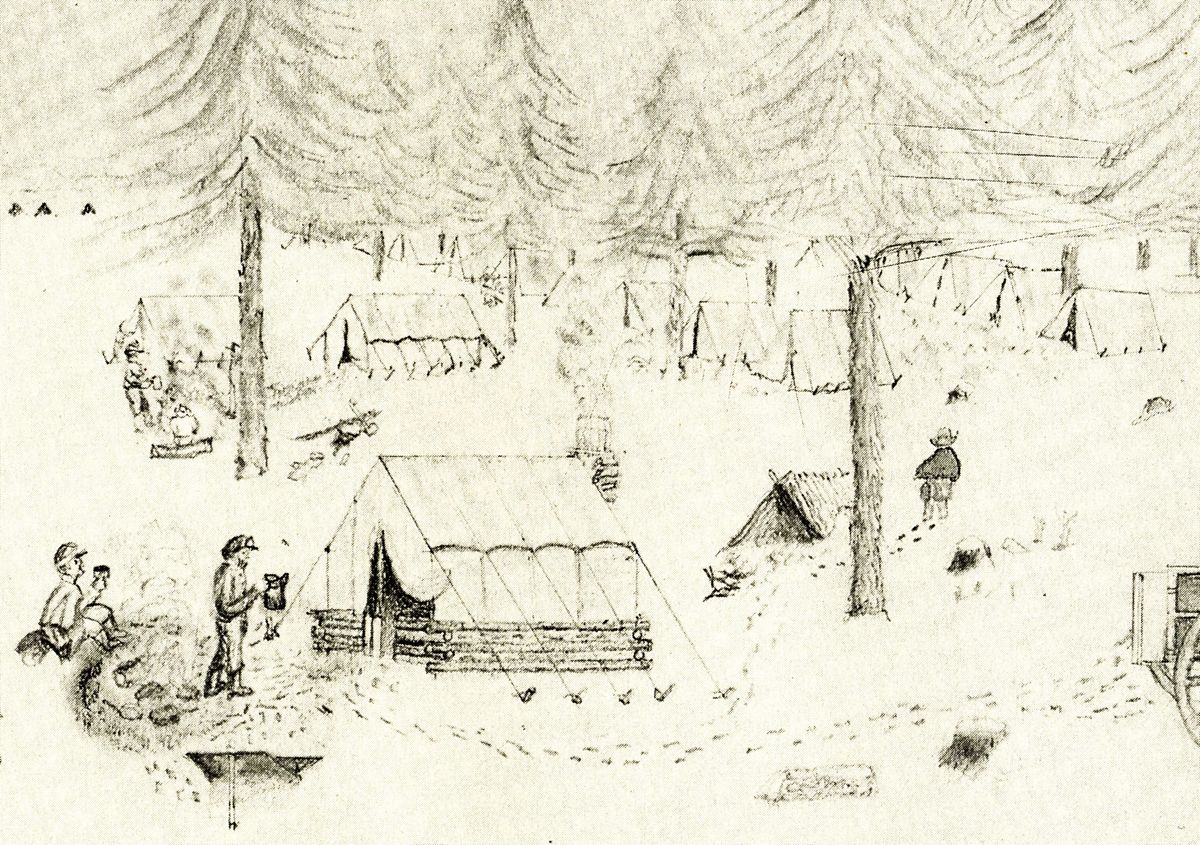
Wharton concentrated first on providing critical shelter for troops in the colder parts of the Trans-Mississippi. Here, Confederate Doctor Morgan Wolfe Merrick drew a winter of 1862-63 encampment in Holly, Arkansas, that depicts tents supplied by the Houston Depot. (Daughters of the Republic of Texas)
wives, daughters and sisters of soldiers) who had flocked to Houston to work for army clothing contractors. The contractors had paid these women pitiful wages, and Wharton provided them with decent pay for doing the same work at his depot. “It is a consolation to me to know that … while putting comfortable clothing upon our gallant fellows, exposed to the bitter Norther and drenching rain, has cheered the soldiers’ heart with the reflection that the making of the garments thus furnished him, keeps from the charity of Speculation & Extortioners those he holds dear at home.” Wharton’s earliest factory was his “Tent Loft.” The loft made tents and flies of various sizes, wagon sheets, corn and flour sacks, listers, haversacks and knapsacks, and enameled cloth. Old sailors cut the materials, and the sewing women pieced them together. The tents were made of Huntsville Penitentiary osnaburgs and jeans, but the loft also refurbished damaged tents, “… many Tents have passed through it several times – coming in disabled from active service in the field, and sent back presently like the Veteran from the Hospital, scarred and disfigured mayhap, but e’er ready for another rough campaign. Would that same process & analogy could extend to the veterans, as to the old Tents that cannot each be whole again; but parts of two, or three, or more, are picked out, and made useful again as Flys, Haversacks, Corn Sacks, Wagon Covers.” By late 1863, Wharton had standardized tent production to a single type: a nine-by-twelve foot wall tent that housed nine men comfortably, or served as an officer or staff tent. The
Wharton was very forward-thinking in his ideas for better organizing Confederate industrial operations. He advocated using black labor in his factories, training blacks for technical vocations critical for the war effort.
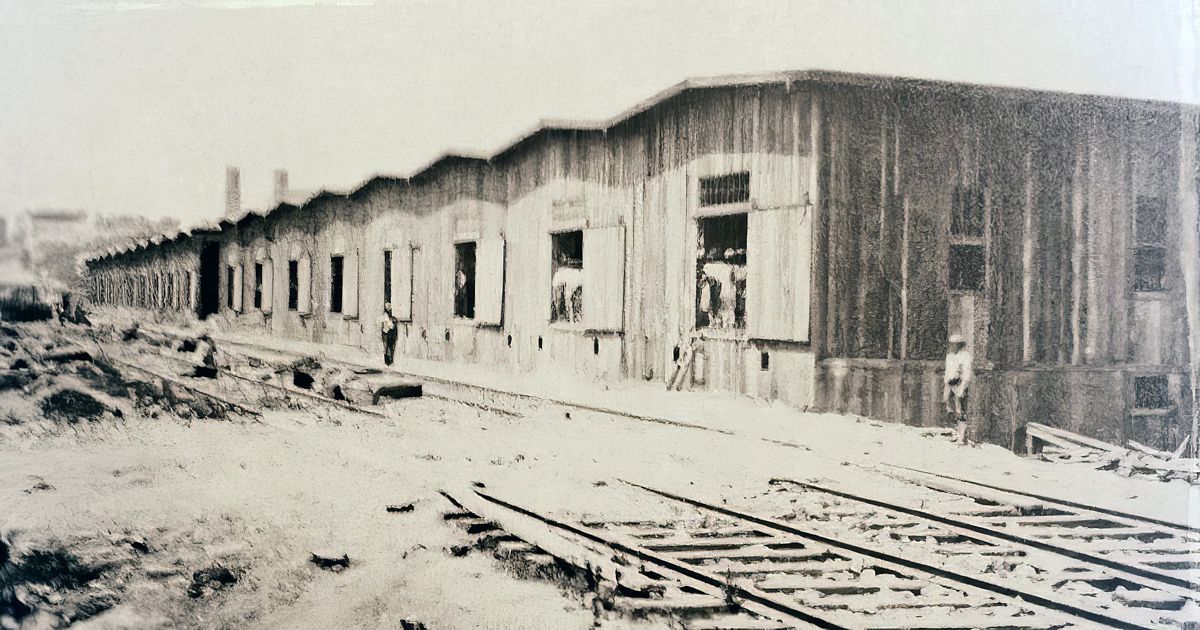
Wharton’s industrial plant consisted of single-story wooden buildings erected on the outskirts of Houston and at the railhead at Millican. While this image shows workshops of the E. Taylor Depot, at Nashville, Tenn., it is comparable to what Wharton would have built for his depot. (Public Domain)
tent poles and pins were fabricated in the carpenter shop, which likewise made packing boxes, and milled the lumber for the depot’s warehouses, shelving, workshops, workers’ tenements, bureau offices, stables, corrals and fences.
The depot brogans were made with pegged, doubled‑soles, or with single soles, as Texas leather was often as thick as a double-sole. The depot made both army brogans and Negro shoes, the latter made for a larger-sized foot. The depot manufactured its own pegs on an “ingenious machine invented by a Detailed Man,” and an inventive, citizen mechanic also constructed machinery for making the shop’s shoe lasts which a disabled soldier turned out.
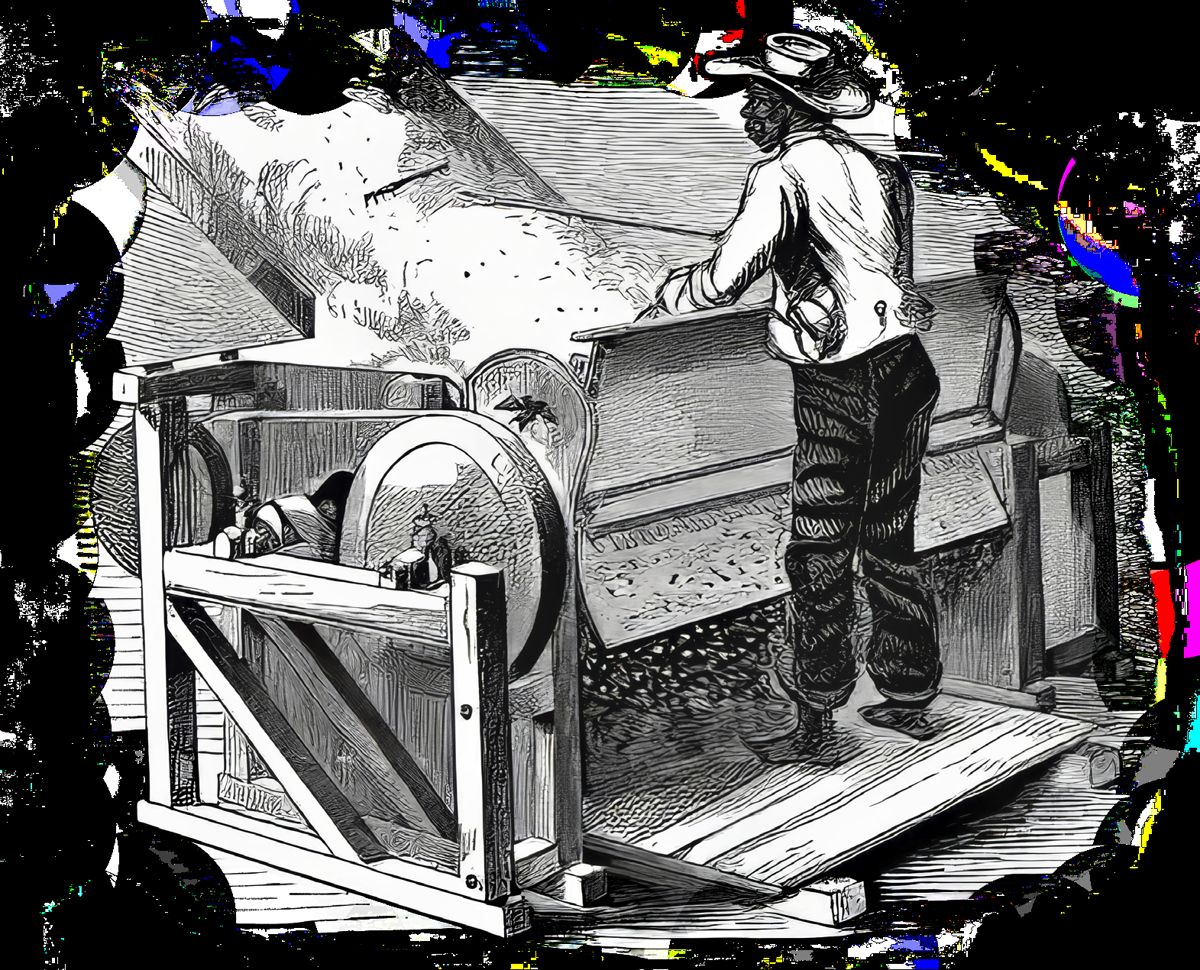
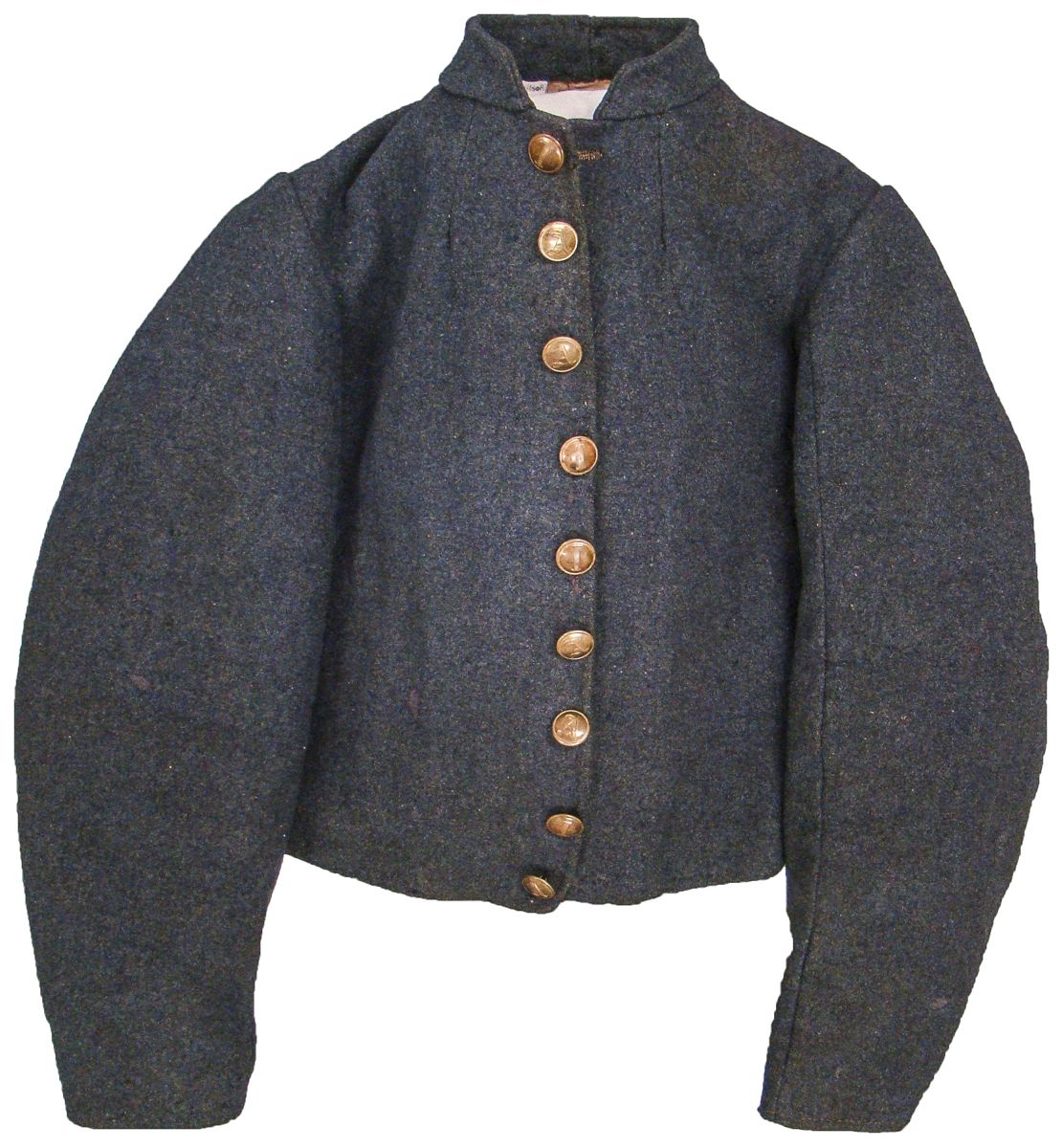
Wharton’s tailor shop included a cutting branch and an issuing branch. A detailed officer, Lieutenant B.F. Ackermann, ran the cutting branch with an assistant foreman and eight cutters. This branch cut bulk cloth into sets of jackets, trousers, shirts, drawers, etc., and bundled In February 1863, Wharton established a tin shop to each cut garment separately. During a given week, the produce mess equipment at below-market prices. Galveston cutters made either 1,500 jackets, 2,100 pairs of trousers, tinsmith, a detailed soldier named A. Groth, took charge of 3,200 shirts, or 3,200 pairs of drawers. The basic uniform the shop, with four other detailed soldier-assistants. Groth jacket and cap were usually made from imported “Cadet fabricated camp kettles and mess pans, as well as some Grey” cloth, and the trousers from either imported cadet canteens, plates, cups, drum shells, and miscellaneous gray or light blue cloth. Huntsville Penitentiary osnaburgs hospital and office items. Groth also cast significant were used for shirts, drawers, and linings. Occasionally, quantities of pewter jacket and trouser buttons. The shop penitentiary white kerseys and white jeans were available used both imported and locally procured sheet tin, and sheet for jackets and trousers. The shoe shop made leather cap copper for drum shells, when available. Wharton eventually visors; brass buttons, consolidated the tin both locally made and shop with the depot’s “…many Tents have passed through imported, were used foundry at Hempstead it several times – coming in on the jackets. The to enhance efficiency. disabled from active service in the issuing branch, with field, and sent back presently like one clerk and a tailor as By November 1863, his assistants, allotted Wharton had added the Veteran from the Hospital, the necessary buttons, a foundry, principally scarred and disfigured mayhap, thread, linings, to produce durable, but e’er ready for another rough pockets, facings, etc. cast-iron mess campaign. Would that same to each bundle, and equipment that could process & analogy could extend delivered them to replace tin mess ware. the sewing women. Accordingly, cast iron to the veterans, as to the old These employees pots, or dutch ovens, Tents that cannot each be whole also collected and with lids would replace again; but parts of two, or three, inspected the finished tin camp kettles, and or more, are picked out, and made garments from the cast-iron skillets with useful again as Flys, Haversacks, sewing women and lids would replace paid them for the mess pans at the rate Corn Sacks, Wagon Covers.” completed work. of two skillets for five mess pans. Wharton Wharton obtained shoes through local and foreign assigned the practical founder Thaddeus S. Hammitt, a contracts throughout the war, but he nonetheless operated detailed private, to manage the shop, along with several a shoe shop. Prior to starting the shoe shop, he fostered the skilled tradesmen as assistants. The foundry produced large establishment of new private tanneries, and even sought quantities of ovens and skillets with lids at a quarter of the to establish his own government tannery. In any case, the previously paid, market price. Hammitt relied heavily on Trans-Mississippi depots were well supplied with leather. scrap iron for his material, which he collected from around the countryside, along with worn out axes that were reLieutenant McCarty managed Wharton’s shoe shop. furbished for army use. Hammitt also made corn shellers McCarty’s approach doubled output, economized material, and large kettles for the commissary department and army and incentivized the shoemakers. If the shoemakers finished hat factory, and even a type of inexpensive, stamped, sheettheir quota of three pairs of shoes per day quickly, he tin uniform button with a wire shank. Finally, Hammitt allowed them to leave work early. The shoe shop employed produced charcoal for his furnace as a substitute for coal. 40 shoemakers, including 12 Negroes, and manufactured 1,000 to 1,100 pairs of shoes per month for 26 days. The By December 22, 1863, Wharton had started more shops workforce included one cutter; one who taught the Negroes; that were not yet in operation. One was a hat factory in and another who fitted the lasts and attended to other Washington County, where Wharton intended to fabricate, miscellaneous work. The rest were engaged in either making “…a plain but serviceable wool hat – of which the Troops shoes or learning to make shoes. Wharton’s intent was to stand much in need.” He put the hatter, detailed Private replace his detailed soldiers with Negro labor, returning the Aaron T. Fuller, in charge of this shop, and his intent was men to the front. to man it with Negro labor. Wharton’s hat factory was subsumed, shortly thereafter, by Major Kampmann’s Government Hat Factory in La Grange, Texas. Wharton’s last major project was a cotton and wool factory that would furnish goods for clothing and blankets. Wharton placed an experienced cotton factory operator in charge, James K. Metcalfe; hired a weaver; and, acquired a limited quantity of machinery. In December, Wharton was still awaiting the necessary machinery to put the factory into full operation, but the fledgling mill nonetheless produced a superior warp thread, good for either cotton goods or woolen kerseys. Wharton was especially keen on making “a plain article of Blankets, half cotton & half wool,” since he was entirely dependent on imports for blankets. Again, Wharton intended to employ mostly Negro labor at this factory. While Wharton’s cotton and wool factory was never finished, the operation was established at Mound Prairie, Texas, in June 1864 under Major J.J. Busby. An enlisted man’s jacket similar to what Wharton produced at Houston, but worn by George W. Wilson, 1st Maryland Infantry, in Virginia during 1865. (Courtesy Smithsonian Institution, Washington, D.C.)
Wharton made his uniforms of imported, Confederate gray kersey, a blue-gray shade. The caps were faced with colored bands around the base. This cap is representative of what Wharton manufactured in Houston. (Courtesy New York State Military Museum.)
Wharton’s vision extended beyond his manufacturing operation and a goal of self-sufficient, home industry. He wanted to streamline the quartermaster organization. Ideally, the post quartermaster would focus entirely on issuing clothing and equipage, while the depot quartermaster would engage solely in manufactures. As it was, Wharton ran both operations himself. He felt that qualified tradesmen and experienced managers ought to be commissioned, and placed in charge of the workshops and bureaus, rather than appointing officers haphazardly when they were disabled from active service, or having detailed privates run workshops without the benefit of rank or pay. Wharton wanted the experienced managers commissioned as captains of cavalry, with authorization for a horse’s upkeep, and master tradesmen as lieutenants providing the rank and authority commiserate with their responsibilities. Ideally, a quartermaster major would oversee the activities of these specialists. In a word, he wanted an efficient system that maximized the use of time, resources, and talents. Despite all his accomplishments, Wharton ran afoul of the departmental commander, General Edmund Kirby Smith. Smith was at odds with Magruder over managing quartermaster operations in Texas, and he took this bitterness out on Wharton. Smith maliciously audited Wharton, who subsequently asked to be relieved in January 1864. Wharton was placed on bureau duty, “settling up back reports,” pending reassignment and his official commission. Magruder requested that Wharton be reinstated, as a major no less, but to no avail. Finally, on February 13, 1865, Wharton received his official Confederate captain’s commission, backdated to January 27, 1864, and effective on May 3, 1863, much later than his initial October 15, 1861 appointment). After receiving the commission, he
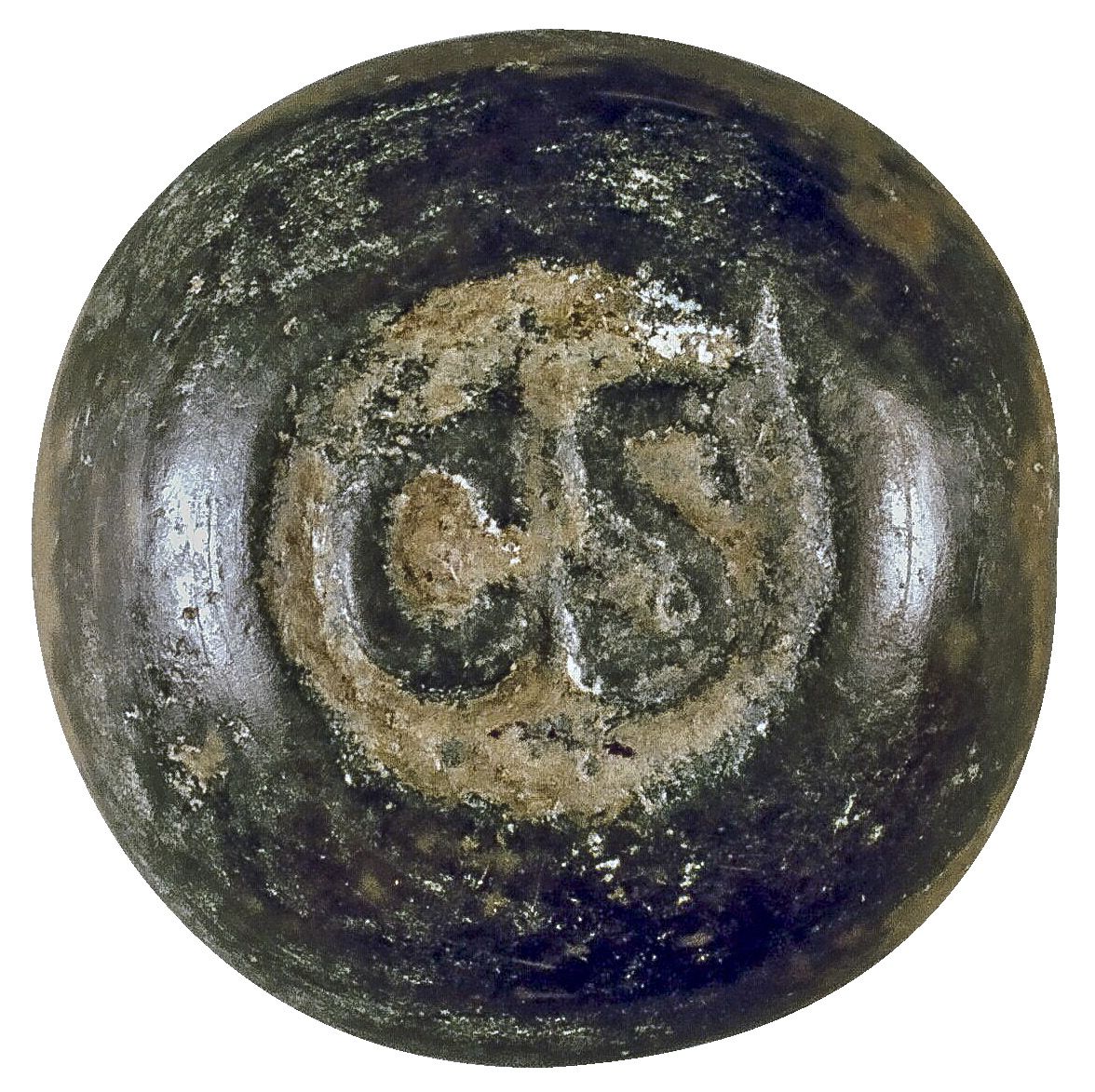
A jacket button of the type believed to be produced in Wharton’s tinshop. (Courtesy of Michael Powell, Houston, Texas.) continued as a quartermaster in Houston in an unstated capacity. Regardless, his fate was harsh in light of his dedication and contributions. Thus ends the tale of an unsung, Southern patriot who served, and suffered for his Cause, in his own way. Wharton never received the recognition he most certainly deserved for his dedication and contributions. Nevertheless, his quartermasters sustained the army through logistics, in this capacity he, too, served.
About the Author
Fred Adolphus is a retired museum director with a master’s degree in history from Louisiana State University. His military service included an assignment with the 49th Armored Division, Texas National Guard, followed by an active duty tour in Germany as a field artillery officer. He is retired after a 39-year career as a Department of the Army civilian, 26 of those years as a museum professional. Fred worked at seven Army museums during his career and as a director at the last four. He has published numerous studies of Confederate uniforms and logistical operations (www.adolphusconfederateuniforms.com) and regularly lectures on these topics.
“The Magazine Like No Other: Where History Isn’t Just Studied, It’s Collected.”
ANTIQUE
MAGAZINE
May-June 2022 Vol 1, No. 2 $8.00
Hey there, history aficionados and collectors! Allow me to introduce Military Antique Collector, your must-have bimonthly magazine. Printed on top-notch paper with vivid, high-res color photos, each issue is a treasure trove for both expert collectors and newcomers. Now, you might be thinking, “Is this magazine for me?” Whether you’re a seasoned collector with a room full of treasures or a newbie just dipping your toes into the fascinating world of military antiques, we’ve got you covered. Each issue is jam-packed with articles that are not just informative but downright captivating. And who’s behind these articles? Only the best in the business—renowned authors, museum curators, and auction experts who really know their stuff. We spotlight rare and unique military artifacts, from early American and European pieces to select post-1898 gems, all tied to historical figures you’ve read about. Ready to make history come alive in your hands? Leech & Rigdon made about 1,500 guns, most in Greensboro and Augusta, Ga., with machinery moved from Columbus, Miss., during March 1863. Leech revolvers are copies of Colt avies with round barrels. There are several variations; SN 1463 is the highest known Leech serial number.
By Philip Schreier, Director, NRA Museum
Leech & Rigdon, SN 15, earliest known barrel marking.
Colonel Joseph Walker, Field and Staff, Palmetto South Carolina Sharpshooters, 1862–1864. He is wearing his uniform, a two-piece South Carolina belt buckle with palmetto tree, a red sash over shoulder for officer of the day and is holding an eagle head sword. His kepi has the palmetto tree insignia with “K,” “5,” and “R.” Liljenquist Family Collection of Civil War Photographs (Library of Congress).
The most important contract requirement noted that, These arms and their component parts, to be manufactured within the State of South Carolina, of the best material and workmanship and as far as practicable, of material and by mechanics obtained in the state foresaid. From this contractual clause it is clear that the State of South Carolina was trying to establish a Virginia Manufactory type facility and wanted to be completely independent of any reliance upon the industrial north for arms manufacture. This clause would be the undoing of Glaze’s enterprise.
It appears that even though Glaze built a factory and acquired some machinery, he never intended to actually fabricate any arms in his own facility. Rather he intended, at most, to acquire finished components and assemble them into complete arms. As noted by collector, researcher, and author Lew Southard in his excellent article “The Origin of the Palmetto Pistols” (American Society of Arms Collectors Bulletin 81:29-42) the “economy of scale” clearly indicated that Glaze had no intention of manufacturing complete arms. The very cost of the tooling and machinery to manufacture muskets, rifles, pistols, and two
This Model 1900 in .30-40 was one of the last designs produced by the Gatling Company before they were found to be obsolete and replaced by water cooled and air cooled full automatic machine guns. Photos courtesy of NRA Museum. Photo of Dr. Richard Jordan Gatling (1818–1903). (Library of Congress).
Novelty Works ad that appeared in the Memphis Daily Appeal (Memphis, Tenn.) Sept. 10, 1862, page 2.