
Confederate Oval State Plates
By Scott Riddle · Originally published March-April 2025 · pp. 18–31
Confederate Oval State Plates By Scott Riddle
“Awell as some unidentified southern shops, are known to have furnished waist belt, shoulder belt, and cartridge box plates to several southern states.
The 1859 John Brown raid ignited a renewed interest, especially in the South, for local units to be prepared to subdue domestic terroristic threats. The election of Abraham Lincoln in 1860 created political havoc in the South as many Southern politicians disagreed with his anti-slavery platform. His election sparked debate on the issue of secession, and southern states started preparations for secession and the inevitable conflict to come.
The state orders were filled by the northern firms until the firing on Fort Sumter. One day after that, Emerson Gaylord received notice from state and federal officials to ship all inventories intended for Southern states at once to the federal and state officials, to which he voluntarily complied. The manufactory of J.S. Smith, on the other hand, was raided about a month later in May 1861, and a number of accoutrement plates and the dies used to make them were seized by the local constables in New York. There are unofficial accounts that some of the northern firms continued to produce accoutrements and to do business with southern agents on the black market. Unfortunately, a large portion of records did not survive, and some of the manufacturers have not been identified.
States, as well as the Federal Government, appropriated funds for arming and equipping state troops in the event of war; most turned to the large northern military supply firms as well as some smaller southern firms for the necessary equipment. As far as purchasing accoutrement plates, large manufacturers such as James Smith and Sons, Emerson Gaylord, William Horstmann, as
The focus of this article is the oval state plates of Alabama, Arkansas, Georgia, Mississippi, North and South Carolina, and Texas. Florida, Louisiana, Tennessee, and Virginia did not adopt an oval plate for issue. Maryland did have a state-issued oval plate but did not officially join the Confederacy, although approximately 25,000 Marylanders fought for the South.
well-regulated Militia, being necessary to the security of a free State, the right of the people to keep and bear Arms, shall not be infringed.” This single sentence from the Second Amendment helped set the stage for southern states to prepare for the war that would ultimately divide and reunite our nation. Although the Militia Act of 1808 provided for a well-regulated militia, the opinion of most Americans after the War of 1812 was indifferent, and most felt a strong militia was unnecessary.
About the Author
Scott Riddle is a retired Firefighter/Arson Investigator after 30 years of employment with the City of Smyrna Fire Department just outside Atlanta, Ga. He has been an avid relic hunter and historian focusing on the battlefields, camps, and troop movements in North Georgia. Scott became passionate about Confederate belt plates after finding his first CSA plate in 1981. Scott is currently working on Belt Buckles and Plates of the Confederacy, a soon-to-be-published extensive work on the subject of Confederate and Southern State belt plates, and has one of the largest collections in the southeast. He also owns Code Compliant Inspection Service based in Kennesaw, Ga., and has authored several articles on Civil War history and relic hunting in Cobb County, Ga.
ALABAMA
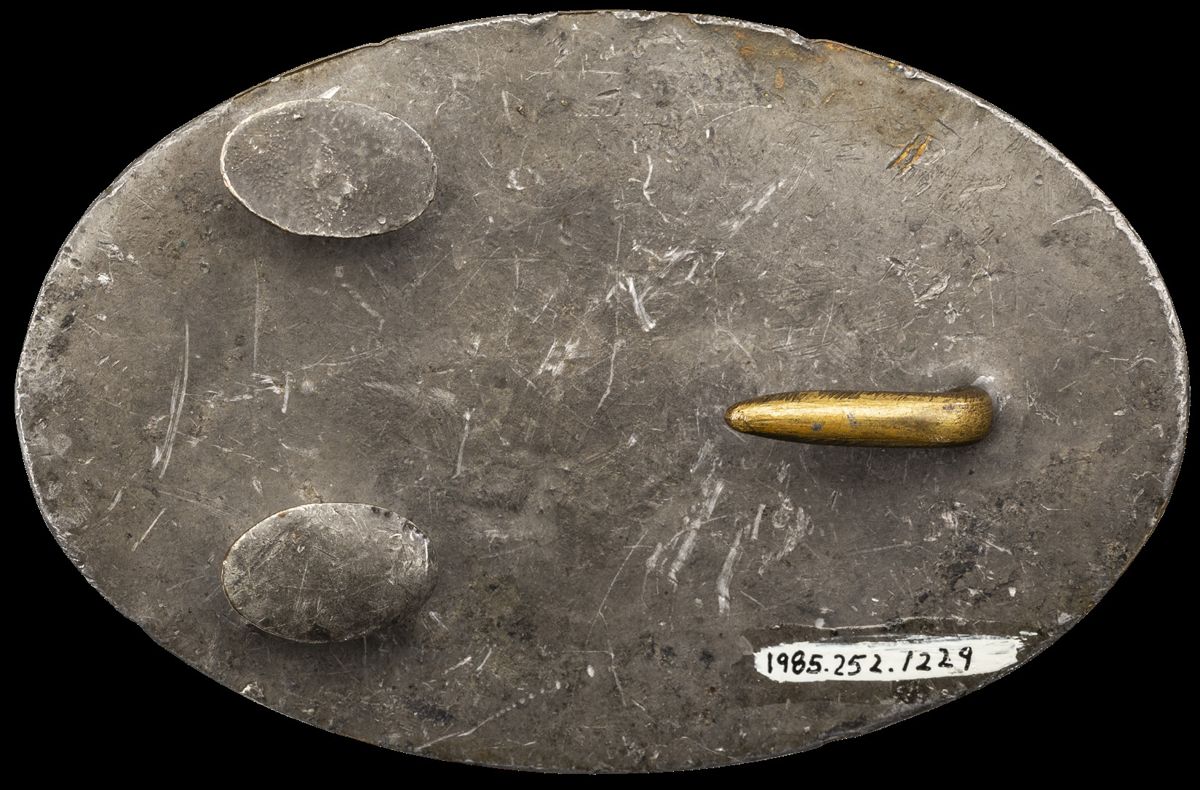
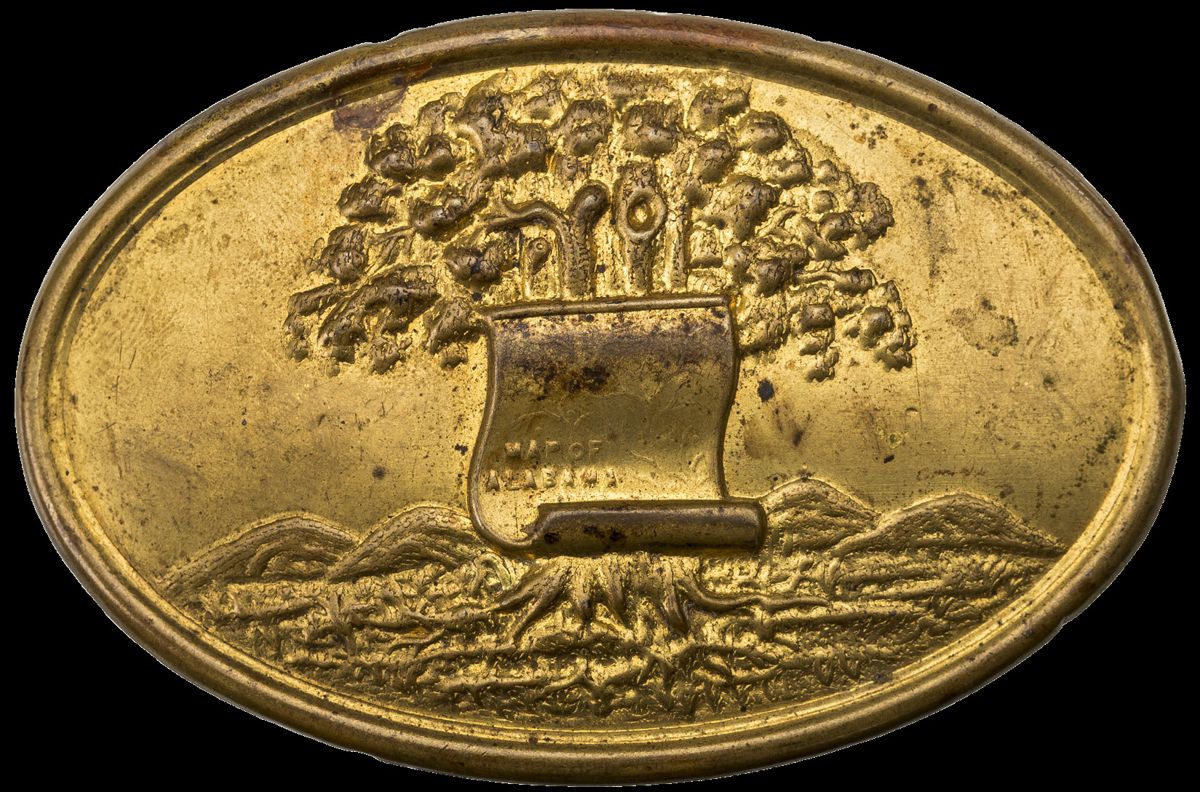
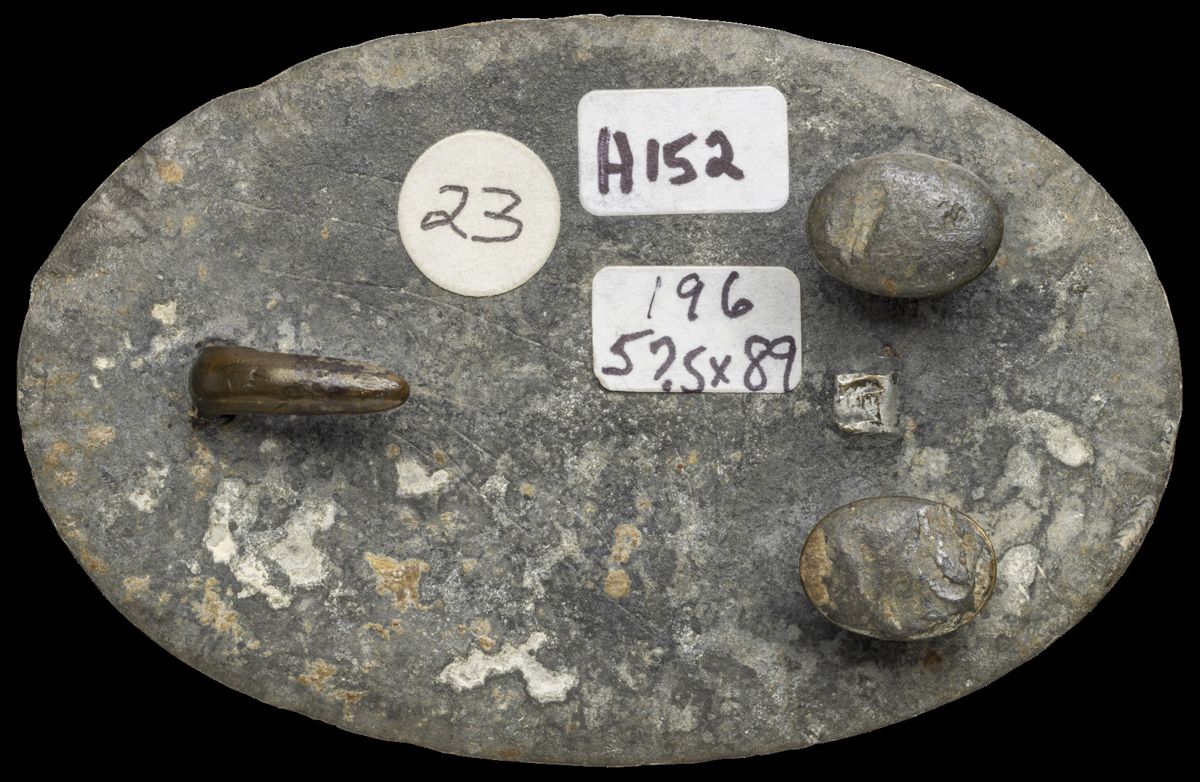
Type: Waist Belt Plate Manufacturer: Unknown Period: 1860–1861 Weight: 132 grams Dimensions: inches: 3.4 W X 2.24 H mm: W 86.36 X 56.89 H Construction: Lead filled die stamped gilded rolled brass with applied stud hooks Rarity: 9 Collection: Atlanta History Center, Beverly M. DuBose Jr. Collection Provenance: Non-excavated Comments: Possibly the finest example of an Alabama “Map on Tree “waist belt plate known. This plate is identified as belonging to Lt. Thomas J. Nuckles 15th Alabama Infantry. Prior to the war the State of Alabama ordered waist belt and sword belt plates from different firms, but records indicate that E. Gaylord and Smith and Sons furnished waist and sword belt plates to the state. The hook construction does not match the products made by either of these firms, but it is believed that the same manufacturer made the NC oval, one of the AVC patterns and the Sumpter Rifle plates.
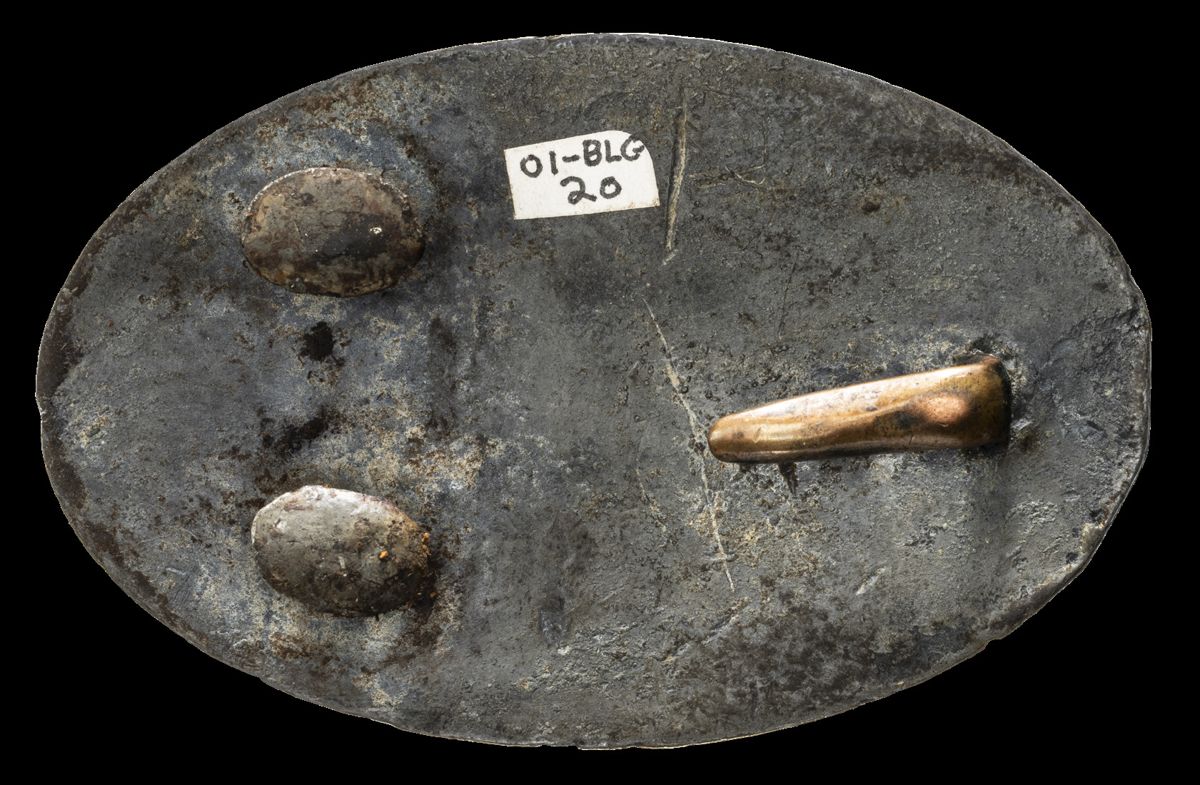
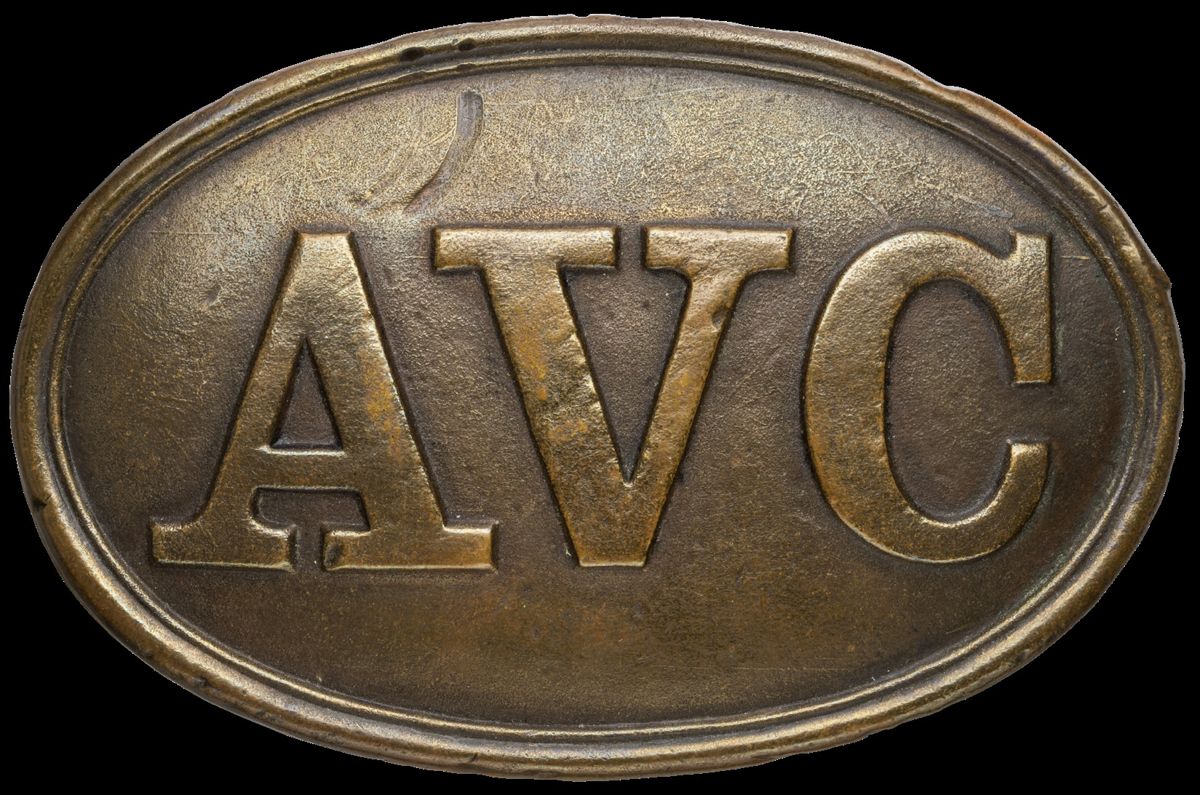
ALABAMA VOLUNTEER CORPS
Type: Waist Belt Plate Manufacturer: Unknown Period: 1860–1861 Weight: 134 grams Dimensions: inches: 3.48 W X 2.26 H mm: 88.39 W X 57.4 H Construction: Lead filled die stamped rolled brass with brass stud hooks Rarity: 7 Collection: Dr. William Blackman Provenance: Mine Run, Virginia Comments: The state of Alabama created the “Alabama Volunteer Corps” on March 28, 1861. After the Battle of Gettysburg, Confederate General Robert E. Lee and Union General George G. Meade fought against each other in the Mine Run Campaign (November 27–December 2, 1863).
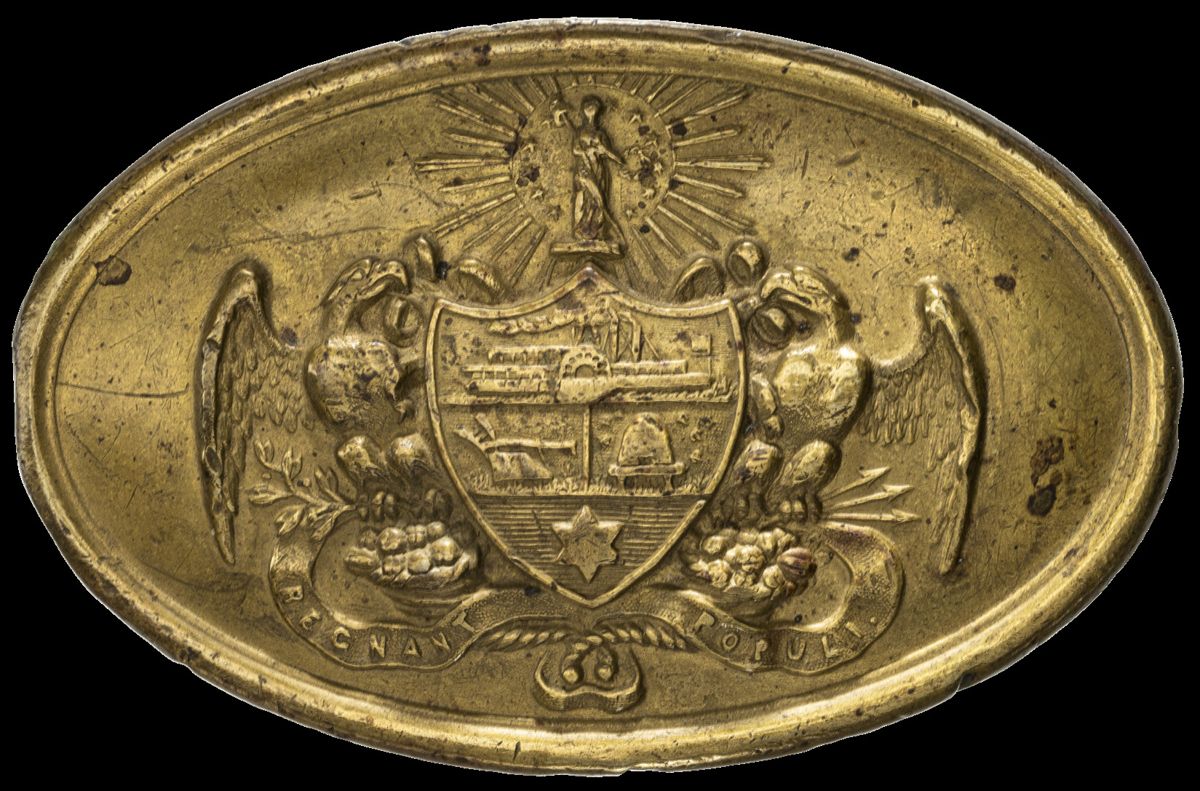
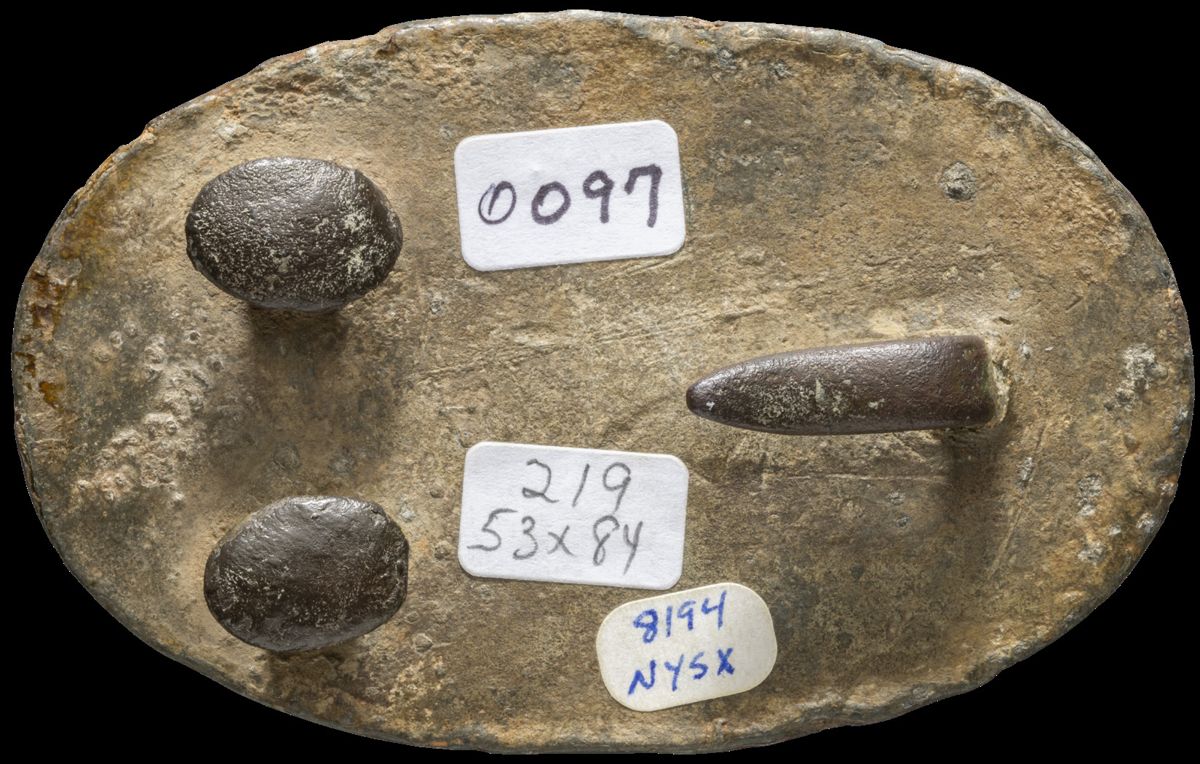
ARKANSAS
Type: Waist Belt Plate Manufacturer: Emerson Gaylord Period: Pre-1861 Weight: 154 grams Dimensions: inches: 3.41 W X 2.18 H mm: 86.73 W X 55.42 H Construction: Lead filled die stamped rolled brass with stud hooks Rarity: 9 Collection: Lewis Leigh Jr. Provenance: Non-excavated Comments: Prior to the war about 1,000 state of Arkansas waist belt plates were produced by Emerson Gaylord of Chicopee, Massachusetts, and offered as a private purchase item of officers serving in the State Militia. These plates offered a beautifully executed state seal motif with the state’s motto, “Regnant Populi” or “The People Shall Rule,” in the ribbon. In May 1861, several newspapers reported that a raid on the firm of James S. Smith and Sons in New York City yielded several dies for various Southern states, including Arkansas. The Arkansas die is believed to be for the disc portion of a twopiece sword belt plate. A period image shows an Arkansas soldier wearing a two-piece clasp, although no excavated examples are known.
GEORGIA
Type: Waist Belt Plate Manufacturer: Emerson Gaylord Period: 1860-1861 Weight: 132 grams Dimensions: inches: 3.31 W X 2.08 H mm: 84.07 W X 71.12 H Construction: Die stamped rolled brass, lead filled with brass stud hooks Rarity: 6 Collection: Dr. William Blackman Provenance: Unknown Comments: Georgia waist belt plate attributed to the firm of Emerson Gaylord. There is an identical matching box plate that accompanied these issued with the accoutrement sets.
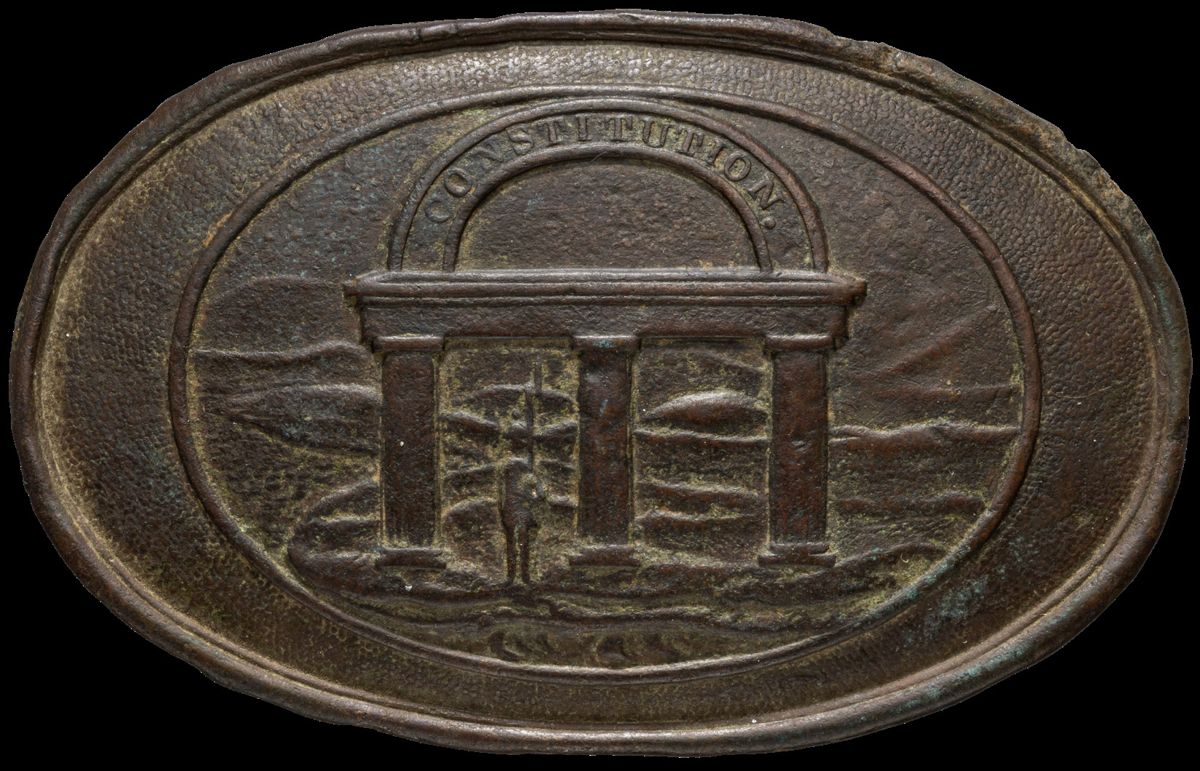
GEORGIA
Type: Cartridge Box Plate Manufacturer: Emerson Gaylord Period: 1860–1861 Weight: 118 grams Dimensions: inches: 3.3 W X 2.1 H mm: 83.82 W X 53.34 H Construction: Die stamped rolled brass with lead filling and iron wire attachment hooks Rarity: 6 Collection: Dr. William Blackman Provenance: Malvern Hill, Virginia Comments: The same die was used to produce the Georgia waist belt plate. The Battle of Malvern Hill, also known as the Battle of Poindexter’s Farm, was fought on July 1, 1862.
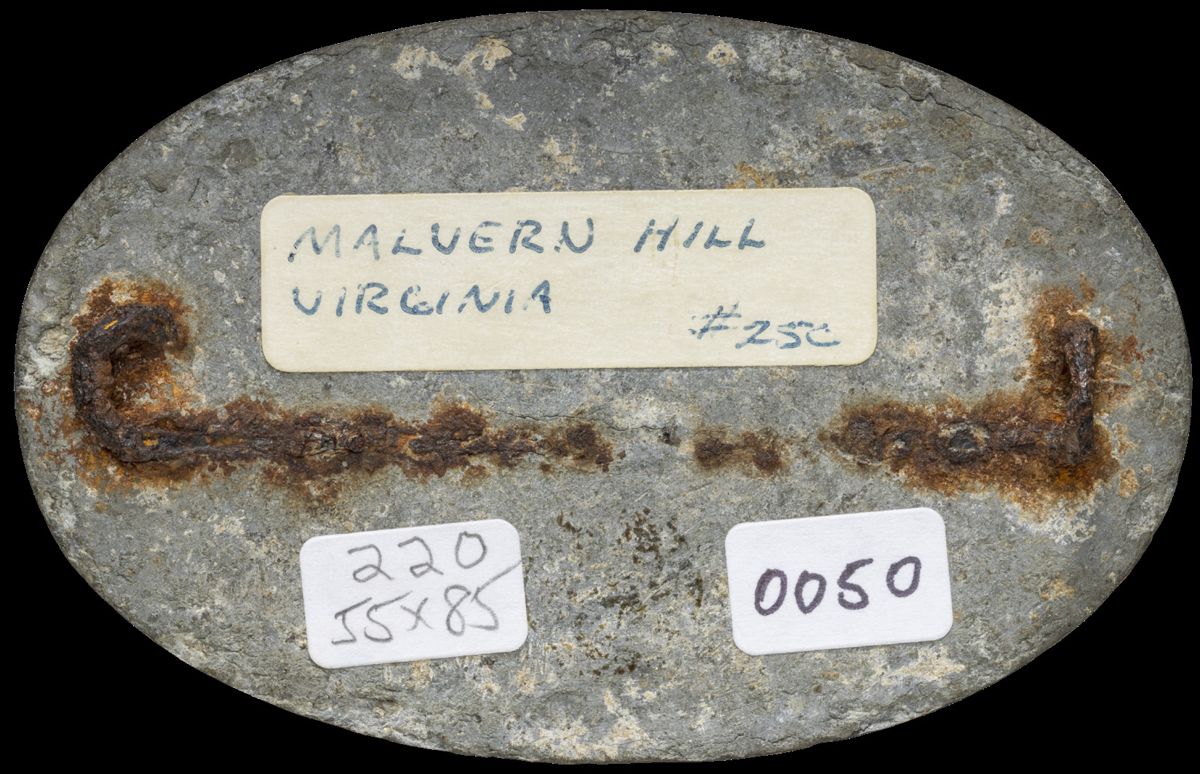
MARYLAND
Type: Waist Belt Plate Manufacturer: Emerson Gaylord Period: ca. 1850–1865 Weight: 96 grams Dimensions: inches: 3.2 W X 2.1 H mm: 81.28 W X 53.34 H Construction: Lead filled die stamped rolled brass with stud hooks Rarity: 9 Collection: Dr. William Blackman Provenance: Unknown Comments: The die used for this plate is identical to the marked E. Gaylord cartridge box plates. Two different dies were used in the production of the State of Maryland accoutrement plates. Although Maryland never seceded during the war, she was certainly a house divided. Many southern sympathizers from the State joined the Army of Northern Virginia and enlisted in Virginia and North Carolina units. The 1st Maryland Regiment was formed in 1861 and represented the State in the war.
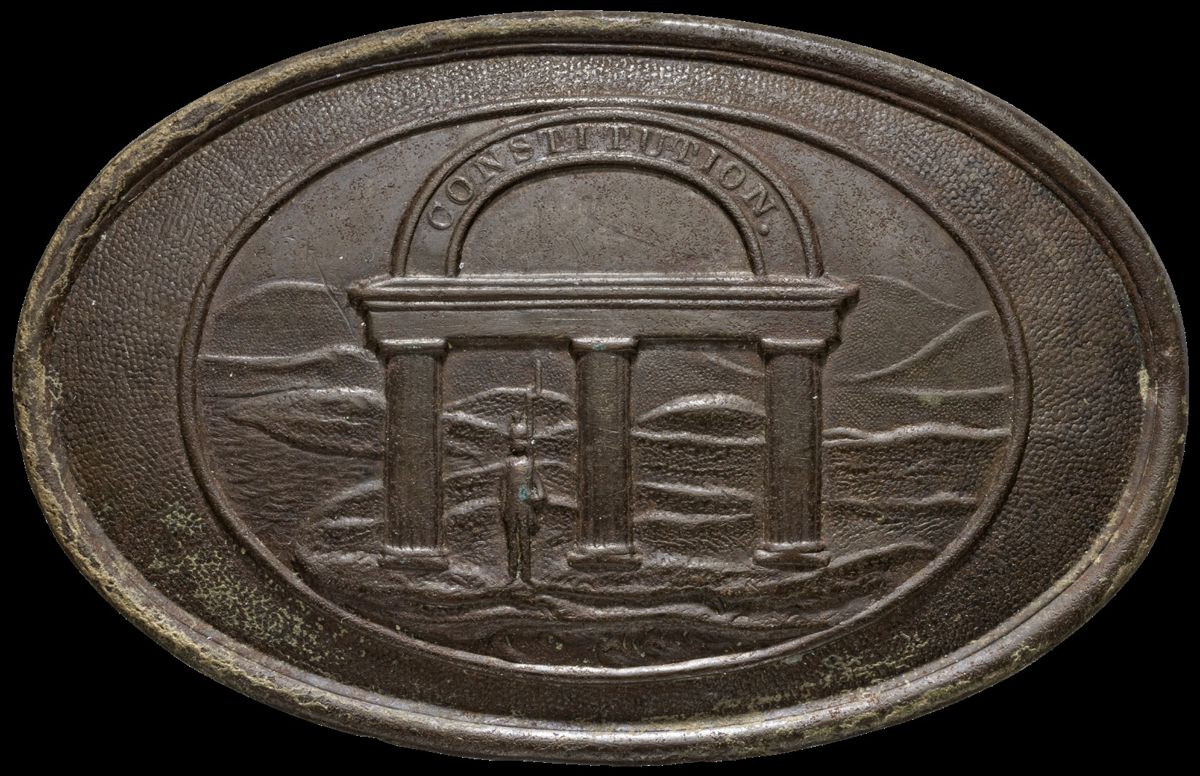
MARYLAND
Type: Cartridge Box Plate Period: 1855–1861 Weight: 102 grams Dimensions: inches: 3.37 W X 2.15 H mm: 85.71 W X 54.71 H Construction: Lead filled die stamped rolled brass Rarity: 8 Collection: George Beasley Provenance: Non-excavated Comments: Presumably a product of Emerson Gaylord as some of these bear his trademark stamped on the back. Any of these plates purchased prior to 1856 were marketed by N.P. Ames.
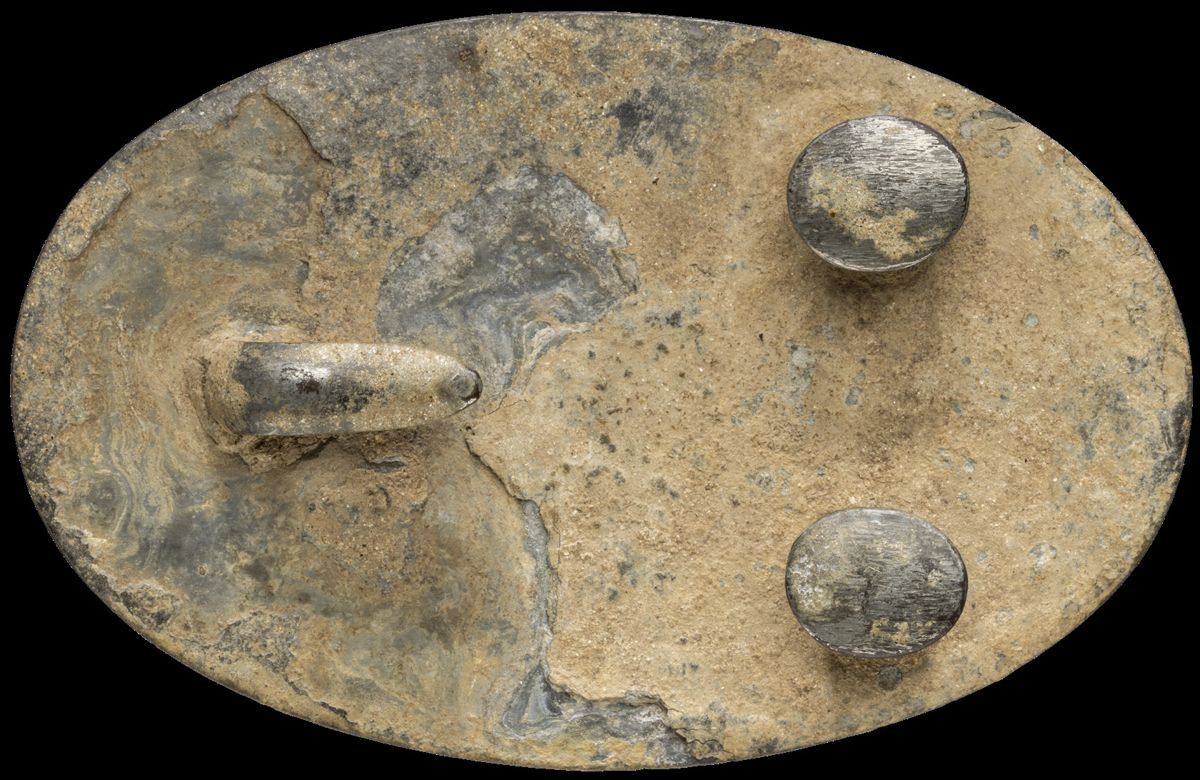
MISSISSIPPI
Type: Waist Belt Plate Period: 1860–1861 Weight: 138 grams Dimensions: inches: 3.3 W X 2.13 H mm: 84.08 W X 54.14 H Construction: Lead filled die stamped rolled brass with stud hooks Rarity: 9 Collection: Mike Ables Provenance: Unknown Comments: Around 1,000 of these and the matching box plates were ordered just before the war from Emerson Gaylord of Chicopee, Massachusetts. Gaylord had started in the supply business as a harness maker and built his business in leather work. Technically, the firm never produced any clasp or plates and all the die work was subbed to Ames Manufacturing.
NORTH CAROLINA
Type: Waist Belt Plate Manufacturer: Unknown Period: 1861–1862 Weight: 96 grams Dimensions: inches: 3.43 W X 2.2 H mm: 87.12 W X 55.88 H Construction: Lead filled die stamped rolled brass with brass stud hooks Rarity: 9 Collection: Dr. William Blackman Provenance: Rixeyville, Virginia Comments: Only a small number of these plates were made, probably by a northern firm and brought south before the Federal embargo placed on northern business’s supplying southern states. The hooks on these are made of a brass tongue hook that is riveted to a cross bar with post that the studs are peened onto and capped with lead. Whichever firm produced these also made Alabama oval plates as the construction is identical.
SOUTH CAROLINA
Type: Waist Belt Plate Manufacturer: Unknown Period: 1840–1860 Weight: 62 grams Dimensions: inches: 2.8 W X 1.6 H mm: 71.12 W X 40.64 H Construction: Lead filled die stamped rolled brass with brass hooks Rarity: 8 Collection: Dr. William Blackman Provenance: Unknown Comments: Small size South Carolina plate fashioned after the 1839 U.S. Regulations.
SOUTH CAROLINA
Type: Waist Belt Plate Manufacturer: Unknown Period: 1850–1860 Weight: 92 grams Dimensions: inches: 3.07 W X 1.87 H mm: 78.02 W X 47.67 H Construction: Lead filled die stamped brass with lead capped stud hooks Rarity: 8 Collection: John Sexton Provenance: Unknown Comments: Medium sized South Carolina plate ordered before the war, possibly a product of Dingee.
TEXAS OR MISSISSIPPI
Type: Waist Belt Plate Manufacturer: Unknown Period: 1860–1864 Weight: 56 grams Dimensions: inches: 3.31 W X 2.01 H mm: 84.07 W X 51.05 H Construction: Die stamped rolled brass with brass stud hooks Rarity: 10 Collection: Dr. William Blackman Provenance: Culpepper, Virginia Comments: These have long been associated with Texas troops. This example was found in a Texas camp. Similar plates with arrow hooks, possibly contraband plates confiscated by the Federal Government, were sold as post war surplus. Their authenticity has been in question for many years. These are rarely found with stud hooks and this example is slightly smaller than the arrow hooks style.