
The Rectangular CSA Buckles
By Scott Riddle · Originally published January-February 2026 · pp. 19–30

The Rectangular
CSA Buckles By Scott Riddle
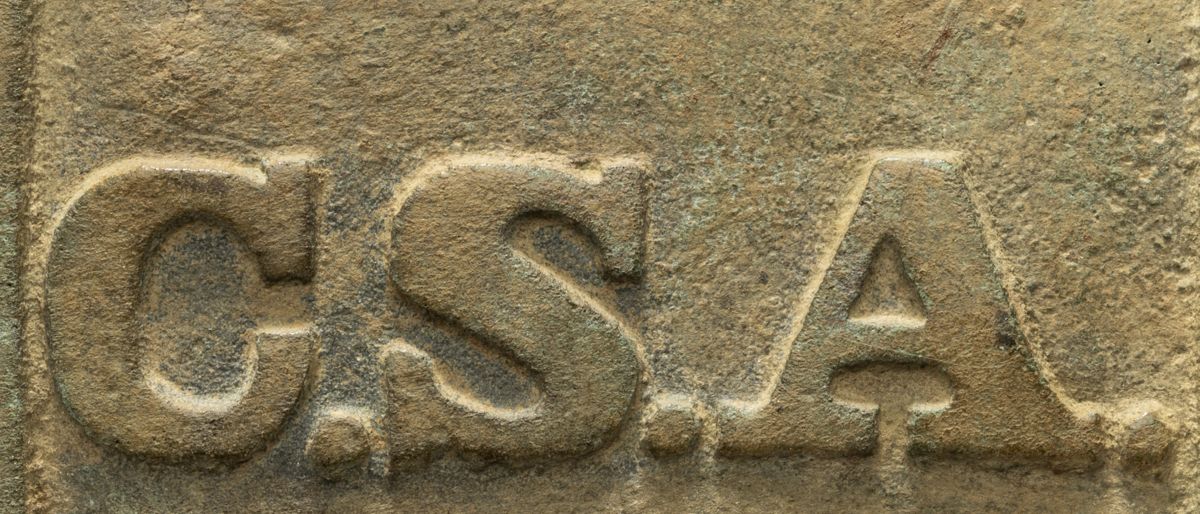
Perhaps the most identifiable of all the Confederate belt plates, the origin of these CSA plates is still shrouded in somewhat of a mystery. Early in the war, the Confederate Ordnance Manual, prepared under the direction of Colonel Josias Gorgas, called for “Waist Belt Plates (Brass) Oval 3.5 inches long, and 2.25 inches wide stamped with the letters CS: 2 studs and 1 hook, Brass.” This closely mimicked U.S. regulations, likely at the request of Abraham Myers, who served as Confederate Quartermaster General in 1861 and had held various capacities in the U.S. Army’s Quartermaster Department since 1848. The Confederacy continually experienced difficulties in obtaining, manufacturing, and distributing the necessary accoutrements to the soldiers in the field. In 1861, the government authorized the implementation of a commutation system, which allowed units to be reimbursed for furnishing their own uniforms and accoutrements, which generally disregarded the specs outlined in the Ordnance Manual and allowed a wide array of different types of belt buckles and plates, not to mention the state troops and militias that were not bound to the CS manual. CS oval plates were issued throughout the conflict and had been considered the standard-issue diestamped plates until mid-to-late 1862, along with a variety of fixed-tongue and forked-tongue frame buckles. Exactly who submitted or approved the design of the rectangular CSA plates is unknown, but it most likely originated with the Atlanta Arsenal under Colonel Moses Wright. The earliest known examples were found in the winter quarters in middle Tennessee by relic hunters, which dated their distribution to late fall or winter of 1862 or early 1863. During that period, the Army of Tennessee was drawing the majority of its supplies from the arsenal in Atlanta.

Practically all of the receipts submitted to the Confederate Ordnance Department listed the descriptions for plates, buckles, clasps, and belt mountings. The only known descriptive narrative for the CSA plates was written in a letter dated March 4, 1864, to Francis Minchener, a small contractor located in Griffin, Ga., that read: “You will please make up for this Arsenal 4000 belt plates per the sample furnished; to be well gotten up, the letters “CSA” to be plain and neatly finished, the casting to be substantial and good, the hooks on the plate to be strong and well pointed, and the whole in good taste and style. To be inspected before they are received. I will pay 50 cents cash for each received.” This brief letter furnishes a wealth of information not usually found in the records. Firstly, Wright states that a sample is being furnished, which is believed to be a cast-iron master plate from which the brass casting will be made. Secondly, it implies that the sample does not have hooks on the reverse; otherwise, there would not be a description of how the hooks should be made. Another interesting statement is that the government will pay in cash. The majority of the Confederate contracts were paid in a combination of Confederate currency and cotton bonds, and the price of 50 cents was less than half the amount paid for some of the Confederate plates. Obviously, the Minchener contact accounted for a fractional portion of production, so we can only assume who else was casting the buckles, aside from the Atlanta Arsenal Foundry. Some evidence would imply that Hammond Marshal, owner of the Atlanta Saber Manufactory, was producing CSA plates as well as the solid cast “I” buttons. Records show that Marshal produced 9,081 belt plates between October and December 1862, approximately the time frame when the Army of Tennessee was being re-equipped during its winter quarters in Tullahoma, Tennessee. As an interesting side note, Marshall had entered into an agreement with William W. Johnson to operate a newly opened foundry in Atlanta, with Marshal furnishing the materials and furnace, and Johnson furnishing the crucibles used for casting, and all profits to be split equally between the two. Marshal desperately needed a seasoned foundryman to produce casting for his sword manufactory. At some point, Johnson became dissatisfied with the arrangement and, according to court records, opened a rival foundry that sold casting directly to the government. At this time, Marshal filed suit in Fulton County, Ga. (Marshal & Co. vs. Johnson, July Term 1863). The reasonable assumption is that Johnson was likely casting belt plates and buttons since the Atlanta Arsenal would not have needed any unfinished products. There are two distinct styles of the CSA plates, which were dubbed, in error to a certain degree, by early relic hunters as the “Atlanta Style” and the “Virginia Style.” Although a number of the Virginia patterns have been recovered throughout that state, the overwhelming majority have come from middle Tennessee and Georgia. The Atlanta patterns have been recovered primarily in areas occupied by the Army of Tennessee, but have shown up in just about every state that the Confederate forces occupied. One belief was that General Longstreet was supplied with the Atlanta pattern when in winter quarters in Tennessee, and they were lost in sites by his troops after their return to Virginia in 1864, explaining their presence there. While this is probable, vast amounts of accoutrements were being shipped from Atlanta to Virginia, which cannot exclude the presence of them being recovered in the state. Some of the Virginia patterns were likely produced in Richmond or by some of their contractors, but not in the quantities that the Richmond pattern two-piece clasps were being made. There are dozens of different variants noted, characterized by minor flaws in the master plates for both patterns, as well as variations in the composition of the metals used for casting. Scrap drives were being advertised in local newspapers, and any brass not suited for the production of cannon was used for gun and sword mountings as well as belt plates. A large number of the CSAs are noted as being made of red brass or having a high copper content, and the dimensions, thickness, and quality of the casting vary as well. In the absence of any detailed description of belt plates in the receipts, it’s assumed that production of the CSA plates occurred in foundries all across the South. The CSA plates have long been popular with collectors and have proven to be a good investment, with the prices increasing annually. Unfortunately, for that reason, they are the most reproduced and faked of the Confederate belt plates. When considering an investment in a CSA plate, as with any other antique, look for provenance and purchase from reputable dealers or collectors.
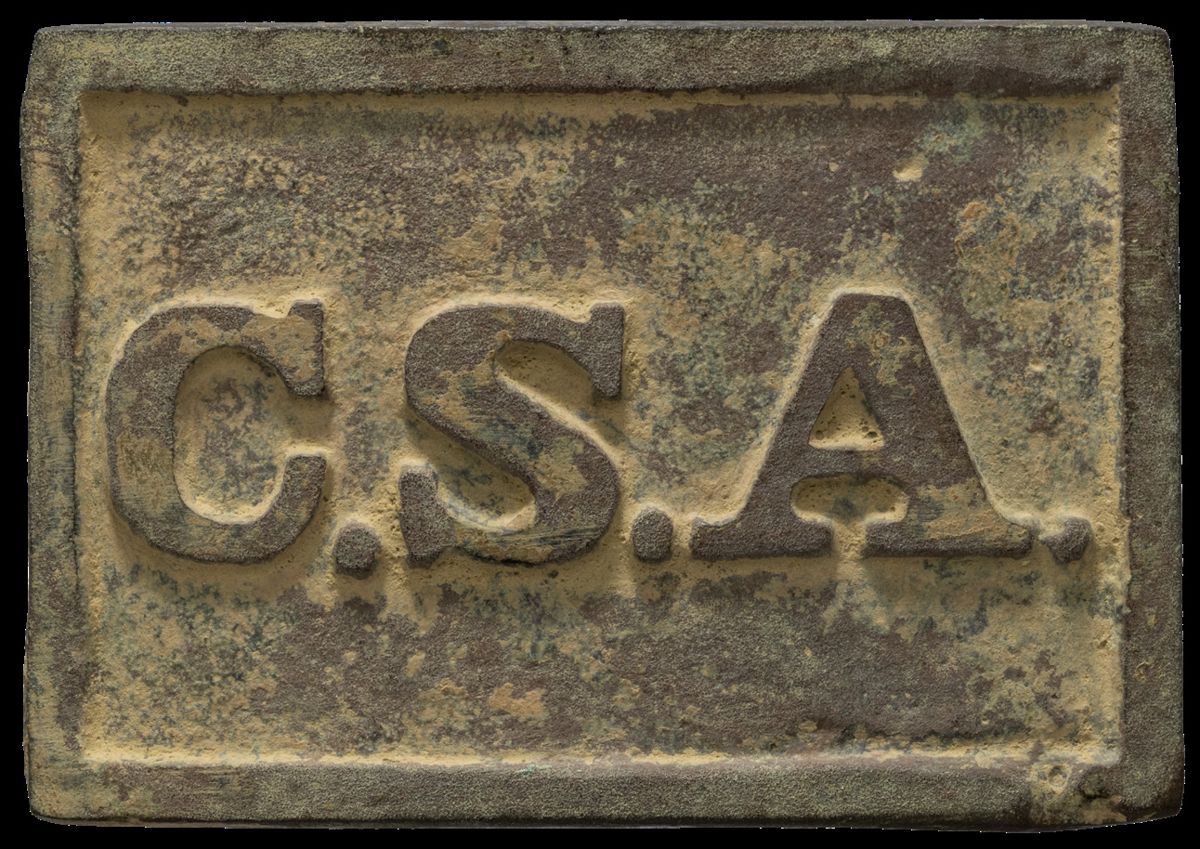
About the Author Scott Riddle is a retired Firefighter/Arson Investigator after 30 years of employment with the City of Smyrna Fire Department just outside Atlanta, Ga. He has been an avid relic hunter and historian focusing on the battlefields, camps, and troop movements in North Georgia. Scott became passionate about Confederate belt plates after finding his first CSA plate in 1981. Scott is currently working on a comprehensive book, Belt Buckles and Plates of the Confederacy, that will be published in 2026, and is an extensive work on the subject of Confederate and Southern State belt plates. Riddle has one of the largest collections in the southeast. He also owns Code Compliant Inspection Service based in Kennesaw, Ga., and has authored several articles on Civil War history and relic hunting in Cobb County, Ga.
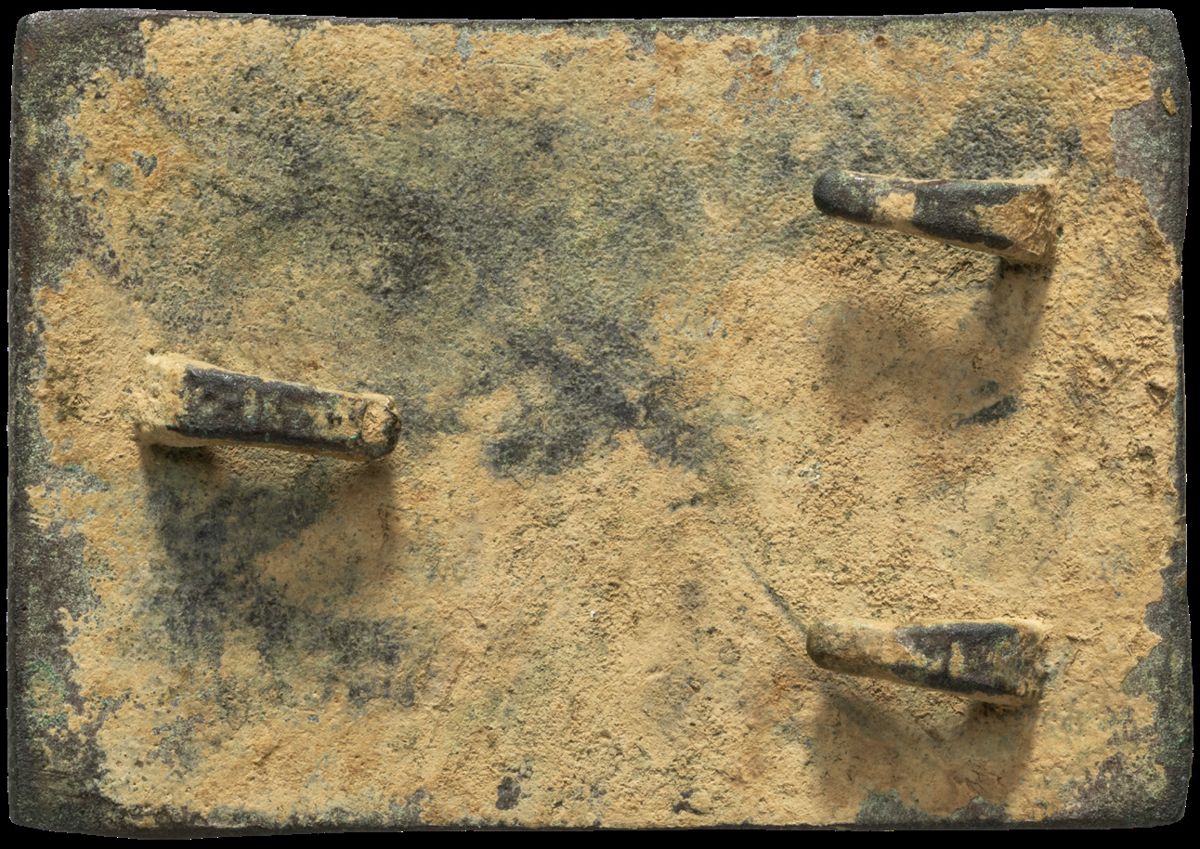
Type: Waist Belt Plate Pattern: Atlanta Pattern Period: ca. 1862–1864 Weight: 76 grams Dimensions: inches: 2.69 W X 1.89 H, mm: 68.32 W X 48 H Construction: Sand-cast Brass Rarity: 5 Collection: Scott Riddle Provenance: Dalton, Georgia Comments: This style of CSA has irregular borders with very narrow hooks with blunt tips. Several specimens have been found in the wake of the Army of Tennessee after leaving their winter quarters in Dalton in the spring of 1864. These were most likely cast in Atlanta by one of the many subcontractors that furnished a variety of castings for the Atlanta Arsenal.
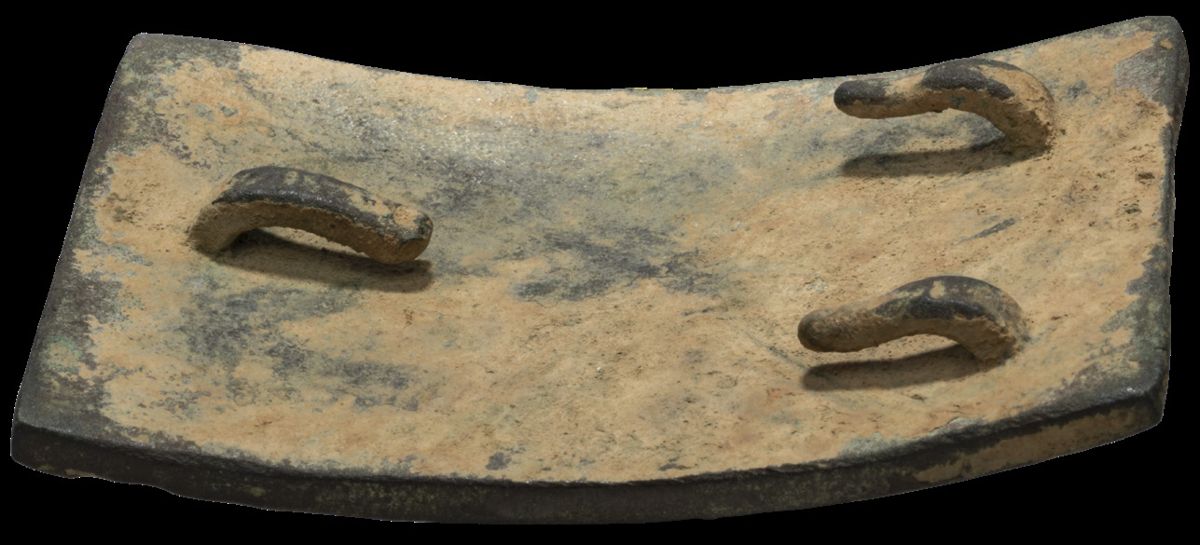
Type: Waist Belt Plate Pattern: Atlanta Pattern Period: ca. 1862–1864 Weight: 106 grams Dimensions: inches: 2.69 W X 1.87 H, mm: 68.46 W X 47.65 H Construction: Sand-cast Brass Rarity: 5 Collection: Mike Ables Comments: Thick cast plate with casting flaws around the “A” period. This style features short, wide hooks, typically found on the thick cast Virginia pattern. This is one of the heaviest examples noted, as it weighs almost twice as much as the usually encountered pattern CSA. These may have been cast earlier in the war when scrap brass drives were at their peak.

Type: Waist Belt Plate Pattern: Atlanta Pattern Period: ca. 1863–1864 Weight: 58 grams Dimensions: inches: 2.72 W X 1.91 H, mm: 69.08 W X 48.51 H Construction: Sand-cast Brass Rarity: 7 Collection: Scott Riddle Provenance: Twiggs County, Georgia Comments: This style is the least common Atlanta Pattern CSA. The hooks are quite different from the other Atlanta Patterns; they are much thicker and longer, and apparently were individually inserted in the sand mold at a 45-degree angle and bent during the finishing process. There are differing opinions on how the hooks were cast, but they are only documented as being found in sites occupied by the Army of Tennessee from June 1863 to December 1864. They were produced in a much smaller quantity and fit the time pattern for distribution for the Francis Minchener contract.
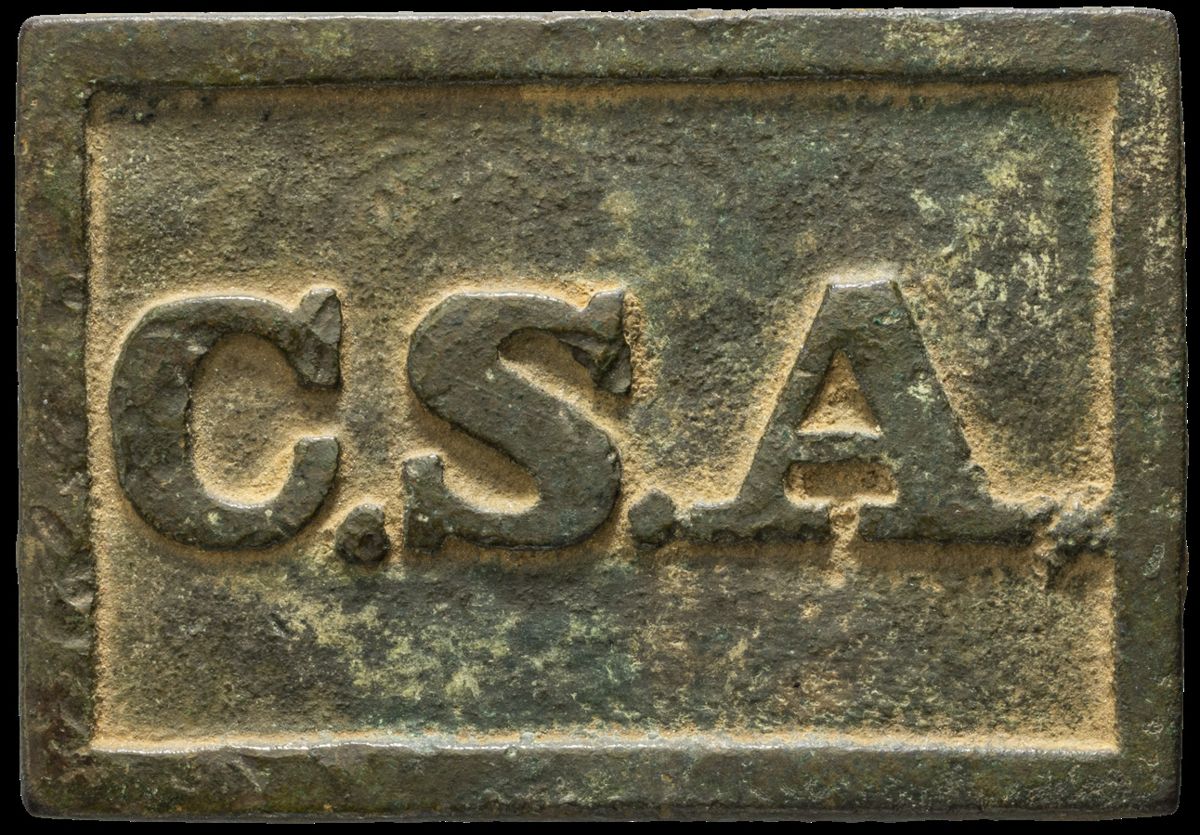
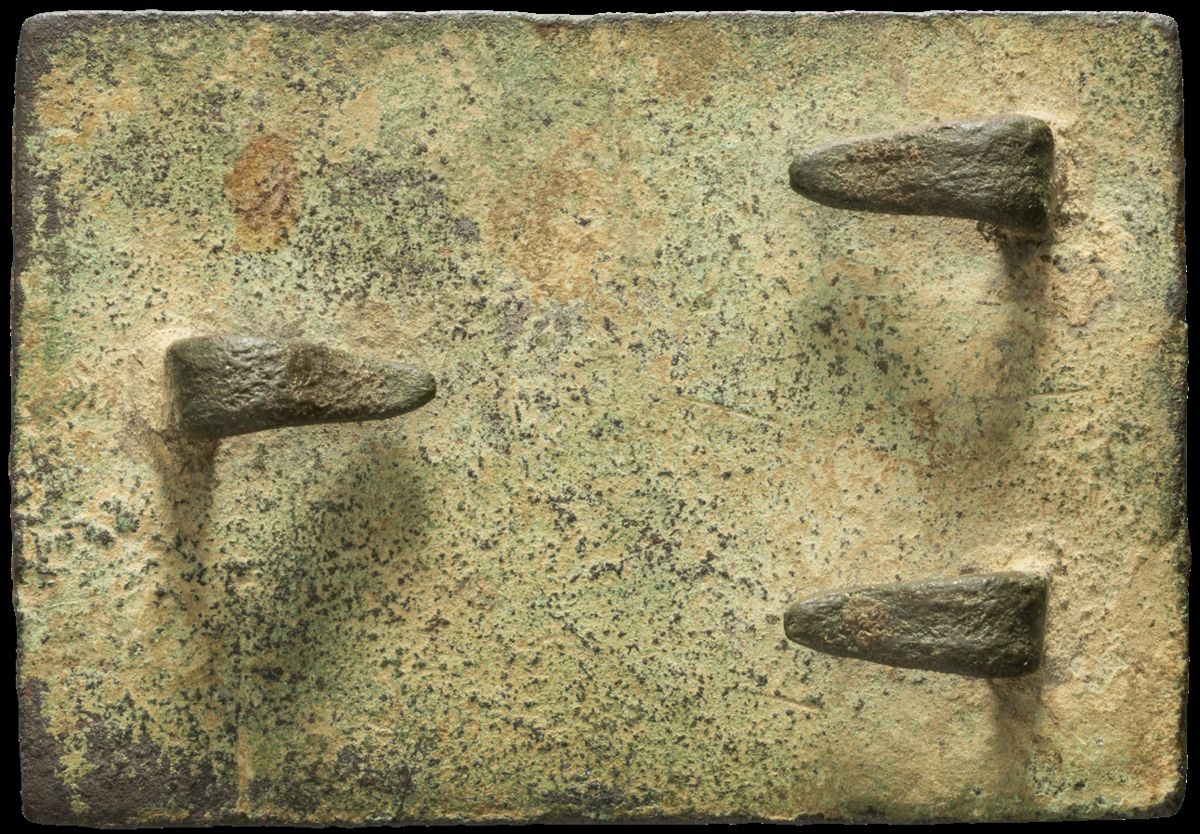
Type: Waist Belt Plate Pattern: Virginia/Tennessee Pattern Period: ca. 1862–1864 Weight: 78 grams Dimensions: inches: 2.69 W X 1.9 H, mm: 68.32 W X 48.26 H Construction: Sand-cast Brass Rarity: 6 Collection: Scott Riddle Provenance: Shelbyville, Tennessee Comments: Medium-sized CSA with long, narrow hooks. This pattern lacks well-defined letters and borders. A number of these styles with less pronounced casting details have been found in Middle Tennessee and North Georgia. Apparently, the face of these plates were not finished at the foundry; several of this style have been found in the 1862–1863 winter camps in Middle Tennessee.
Type: Waist Belt Plate Pattern: Virginia/Tennessee Pattern Period: ca. 1862–1864 Weight: 64 grams Dimensions: inches: 2.79 W X 1.81 H, mm: 70.86 W X 45.97 H Construction: Sand-cast Brass Rarity: 7 Collection: Scott Riddle Provenance: Fredericksburg, Virginia Comments: This style CSA rectangle is possibly a product of Richmond, Virginia, as most of this particular pattern has been excavated in Virginia, but a few examples have been found in Middle Tennessee. Note the slight indent in the right border to accommodate the “A” period; this feature is present on a small number of recovered examples and is not a casting flaw. It is assumed that only the Virginia patterns have an air vent on the reverse and appear to be finished with a grinding stone rather than a rasping file. A few of this style have been noted as not having the face finished.

Type: Waist Belt Plate Pattern: Virginia/Tennessee Pattern Period: ca. 1862–1864 Weight: 56 grams Dimensions: inches: 2.78 W X 1.89 H, mm: 70.61 W X 48 H Construction: Sand-cast Brass Rarity: 6 Collection: Scott Riddle Provenance: Fredericksburg, Virginia Comments: Note the indent in the left border to accommodate the “C.” This is not a casting flaw, but rather an error made by the pattern maker when centering the letters for the master plate. Several identical specimens have been noted, all originating from camps and battlefields in Virginia, with one specimen also found in Ohio. These were finished with a stone rather than a file, unlike most of the Atlanta pattern plates. This is possibly a product of a foundry in or around Richmond, Virginia. Air vents are present on the lower back of all these plates.
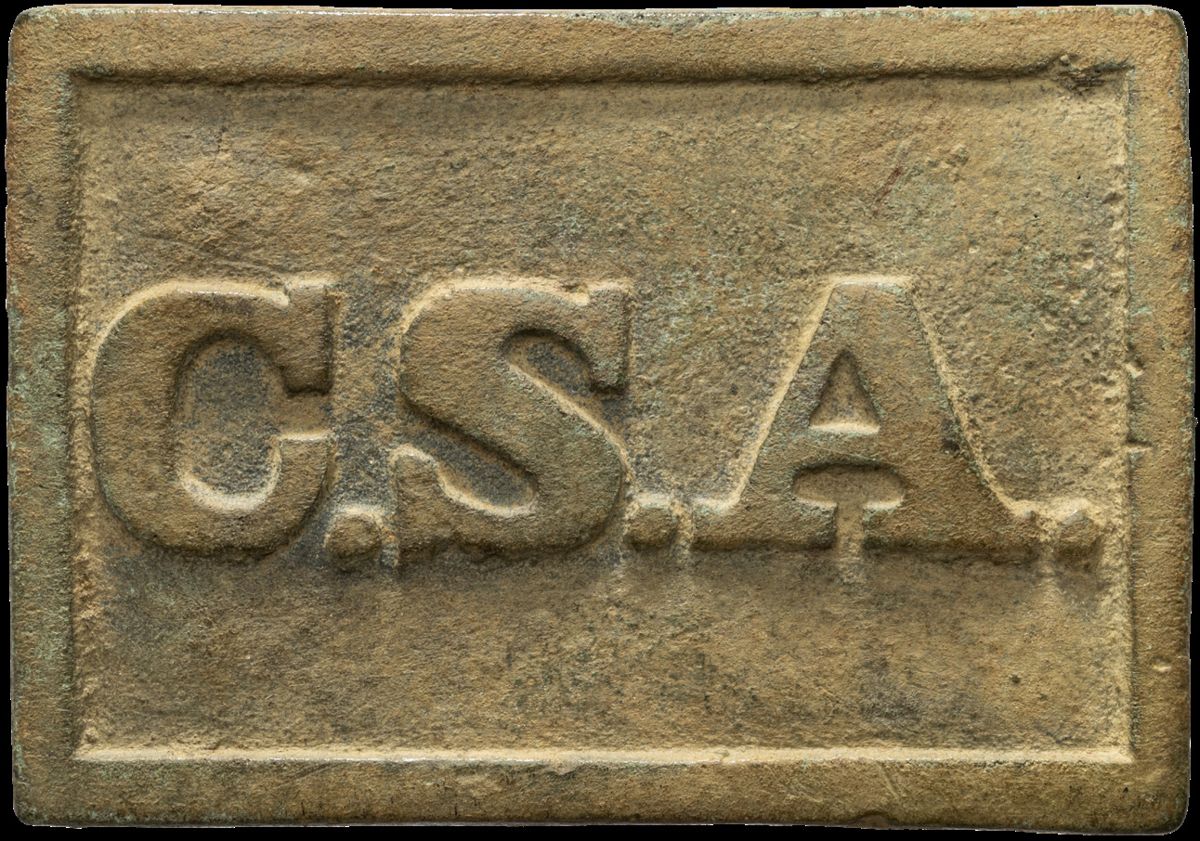
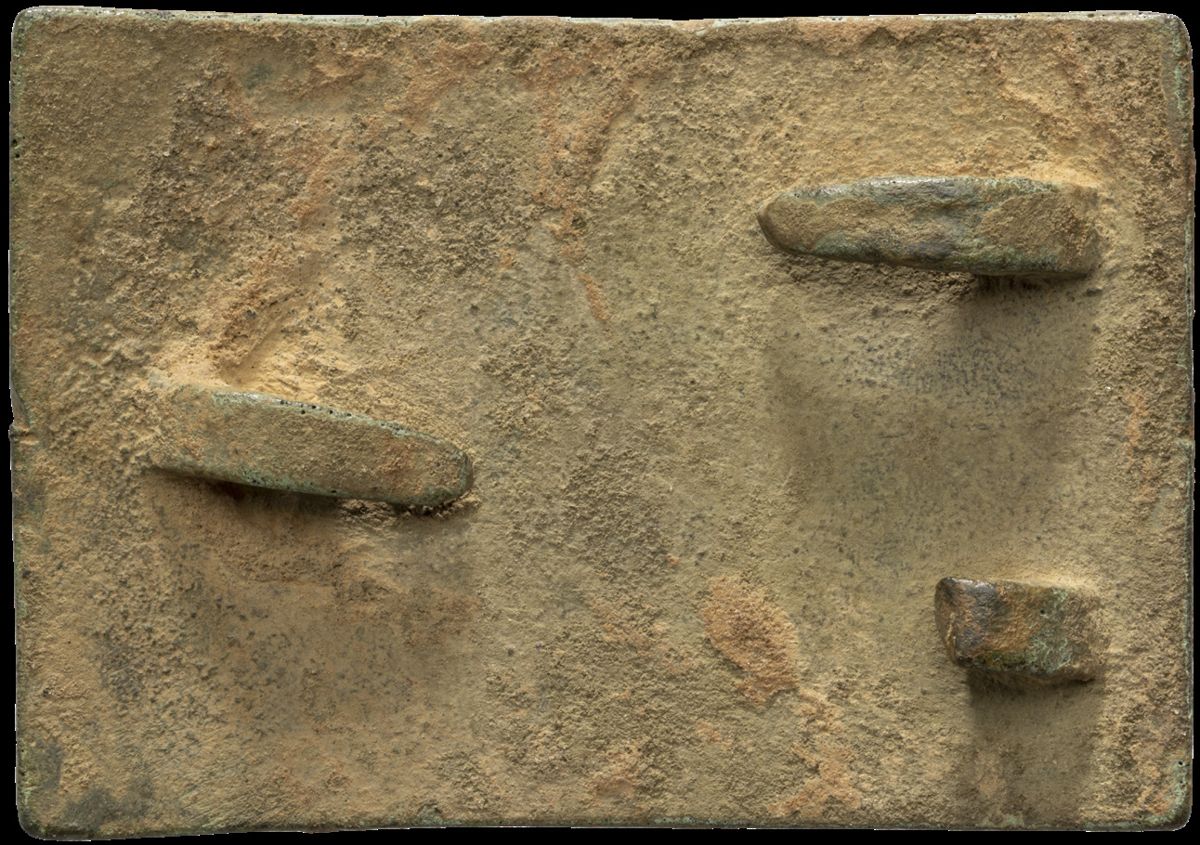
Type: Waist Belt Plate Pattern: Atlanta Pattern Period: ca. 1862–1864 Weight: 78 grams Dimensions: inches: 2.75 W X 1.91 H, mm: 69.85 W X 48.51 H Construction: Sand-cast Brass Rarity: 5 Collection: Scott Riddle Provenance: Rushville, Indiana Comments: Standard Atlanta style with medium-sized hooks. This was either a war trophy brought home by a Union soldier or taken from a Confederate prisoner at Camp Morton in nearby Indianapolis. Although prisoners were customarily stripped of their accoutrements, there are some written accounts where Confederates retained their belt plates and used them to trade for food and other personal items. Federal soldiers were among the earliest collectors of Confederate belt plates.
Confederate soldier in uniform, wearing a C.S.A. belt buckle with leather belt, percussion cap box, cartridge box and sling, and holding a book. (Liljenquist Family Collection of Civil War Photographs, Library of Congress.)
Image reversed for clarity.